
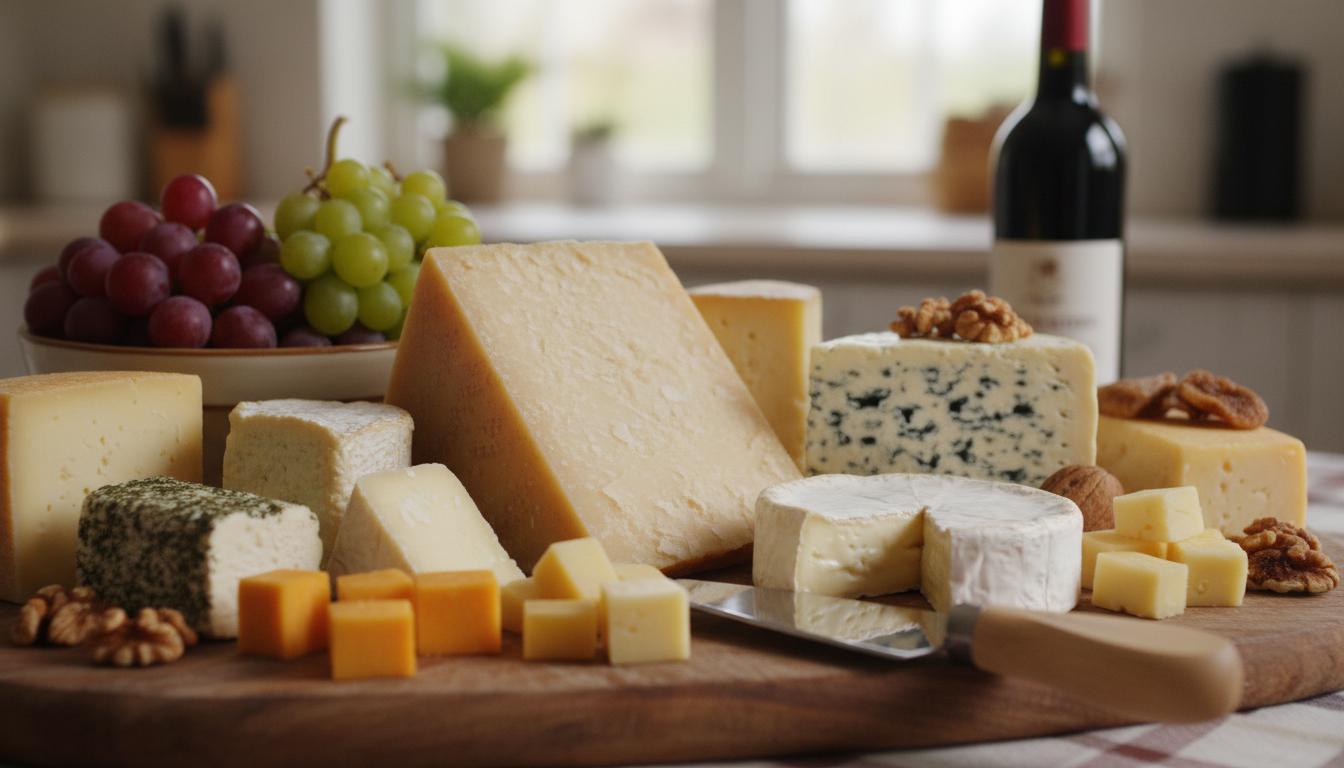
New Zealand loves cheese. From a sharp slice in a toastie to a creamy wedge on a summer platter, it shows up at BBQs, weddings, tramping huts, and weeknight dinners. Our grass-fed milk, small-batch makers, and clever importers give Kiwis a range that rivals anywhere.
This guide unpacks cheese in clear, practical terms. You’ll learn what cheese is, how it’s made, the main types you’ll find in Aotearoa, the upsides and downsides, and simple steps to choose, store, and use it well.
What is
Cheese is concentrated milk. Makers thicken milk proteins (mainly casein), trap fat and minerals, remove water, then salt and mature the result. The style depends on moisture, acidity, salt, and microbes that change flavour and texture over time.
Most cheese starts with cow’s milk, but goat, sheep, and buffalo milk are common in New Zealand too. Each milk brings its own fat profile and flavour. Buffalo is rich and silky, goat is bright and tangy, sheep is sweet and buttery, and cow is balanced and familiar.
Three levers define a cheese: moisture (fresh vs hard), acidity (tangy vs sweet), and microbial activity (rinds and moulds that ripen the paste). Control these and you can make everything from milky mozzarella to punchy blue.
How it works
From milk to wheel
Cheesemaking turns milk sugar to acid, sets the proteins, and manages moisture. Here’s the core process you’ll see at a New Zealand dairy or in a farmhouse creamery:
- Acidification: Starter cultures eat lactose and make lactic acid. The milk’s pH drops, laying the foundation for flavour and safety.
- Coagulation: Rennet (animal or microbial) or extra acid sets the milk into a jelly-like curd.
- Cutting and cooking: The curd is cut to release whey. Gentle heating firms it and drives out more moisture.
- Draining and pressing: Whey is removed; some styles are pressed to shape and tighten texture.
- Salting: Salt seasons, preserves, and controls microbes. It can be dry-salted or added via a brine bath.
- Ripening: Time, temperature, humidity, and specific cultures (yeasts, bacteria, moulds) create the rind and develop flavour.
Starter cultures, rennet, and ripening
Starter cultures define flavour and texture. Mesophilic cultures prefer cooler temps for cheddar and gouda. Thermophilic ones thrive hotter for Parmesan-style and stretchy cheeses. Rennet snips casein proteins so they lock together. Vegetarians can look for microbial or thistle rennets—many local makers label this clearly.
Ripening is controlled fermentation. Penicillium camemberti softens brie-style rinds from the outside in. Penicillium roqueforti veins a blue and breaks down fat into spicy, savoury notes. Washed rinds get bathed in brine or beer to encourage sticky, orangey bacteria that smell bold but often taste sweet and meaty.
Types / examples
You’ll find these families of cheese across New Zealand supermarkets, specialty shops, and weekend markets:
Fresh
- Mozzarella (including Clevedon Buffalo Mozzarella): mild, soft, for pizza and salads.
- Ricotta: light, slightly sweet, great for baking or pancakes.
- Feta: brined, crumbly, tangy; cow or goat versions are common.
Soft-ripened
- Brie and Camembert (e.g., Puhoi Valley, Kāpiti): bloomy rind, creamy centre that ripens from firm to oozy.
Semi-hard and hard
- Cheddar (e.g., Barry’s Bay): from mild to vintage-sharp.
- Gouda (e.g., Meyer Gouda): buttery when young, toffee-like when aged.
- Parmesan-style: hard, granular, umami-rich for grating.
Blue
- Kāpiti Kikorangi, Whitestone Windsor Blue: veined, creamy to punchy, with salty, savoury depth.
Washed rind
- Sticky, aromatic rinds; flavour ranges from nutty to beefy. Often made in small batches by artisan NZ producers.
Stretched-curd
- Provolone and scamorza: elastic texture, good for melting and grilling.
Quick comparison of popular cheeses in NZ
| Cheese | Milk | Texture | Flavour | Typical NZ examples | Best uses |
|---|---|---|---|---|---|
| Cheddar | Cow | Firm | Mild to sharp | Barry’s Bay, Mainland Vintage | Toasties, pies, snacking |
| Gouda | Cow | Semi-hard | Buttery to caramel | Meyer Gouda | Platter, sandwiches, melting |
| Brie/Camembert | Cow | Soft, creamy | Mild, mushroomy | Puhoi Valley, Kāpiti | Platter, baking in pastry |
| Blue | Cow | Creamy to crumbly | Salty, tangy, savoury | Kāpiti Kikorangi, Whitestone Windsor Blue | Platter, sauces, steak |
| Feta | Cow/Goat | Crumbly | Tangy, salty | Local and imported brands | Salads, omelettes, roasting veg |
| Mozzarella | Cow/Buffalo | Soft, elastic | Milky, mild | Clevedon Buffalo | Pizza, caprese, lasagne |
| Halloumi | Cow/Goat/Sheep | Firm, squeaky | Milky, salty | NZ-made and Cypriot imports | Grilling, salads, burgers |
Pros and cons
Pros
- Nutrient-dense: protein, calcium, B12, iodine, zinc, and fat-soluble vitamins.
- Satiety: a small serve satisfies, handy for lunchboxes and tramping snacks.
- Flavour builder: a little parmesan or blue can transform simple kai.
- Fermentation: some styles deliver bioactive compounds that add complexity.
Cons
- Saturated fat and sodium: portion size matters, especially for heart health.
- Lactose: fresh cheeses tend to have more; aged hard cheeses often have very little.
- Allergy/intolerance: milk protein allergy requires avoidance; lactose intolerance varies person to person.
- Environmental footprint: dairy impacts differ by farm and style; look for local producers investing in on-farm sustainability.
As a rough guide, 30 g of cheddar has about 7 g protein, 9–10 g fat, 5–6 g saturated fat, 200–230 mg calcium, and 170–220 mg sodium. Labels vary—check the pack.
How to use or choose
Step-by-step: choose the right cheese at the shop
- Decide the job: melting, snacking, or a hero for the platter.
- Pick a style: fresh (mozzarella), soft (brie), hard (cheddar), blue, or washed rind.
- Read the label: milk type, pasteurised vs raw, country of origin, rennet type, age.
- Check the date and feel: soft should be springy and not collapsed; hard should be firm with clean edges.
- Balance the basket: mix mild and bold, cow and goat, soft and hard for variety.
- Buy what you’ll use in a week unless it’s a hard, aged cheese.
Storage and serving tips
- Wrap properly: use cheese paper or baking paper plus a loose layer of reusable wrap. Avoid tight plastic on soft cheeses.
- Fridge spot: keep cheese in the vegetable drawer or a dedicated box to reduce drying and odours.
- Serving temperature: bring cheese to room temperature for 30–60 minutes before eating; it opens up the flavour.
- Portion guide: 25–30 g per person per cheese for platters; 60–80 g per person for a cheese course.
- Leftovers: grate and freeze hard cheeses for cooking; avoid freezing soft-ripened styles.
Build a Kiwi cheese board
- Choose 3–5 cheeses across styles: e.g., Meyer Gouda, Puhoi Valley Brie, Kāpiti Kikorangi Blue, a goat feta, and Clevedon Buffalo Mozzarella.
- Add crunch and sweet: oat crackers, toasted sourdough, walnuts, Manuka honey, and feijoa or quince paste.
- Fresh bites: apple, pear, kiwifruit, or cherry tomatoes cut small.
- Local sips: Sauvignon Blanc with goat cheese, Central Otago Pinot Noir with washed rind, hazy IPA with vintage cheddar, cider with brie.
Cooking swaps and quick wins
- Toastie upgrade: vintage cheddar plus a smear of chutney and thin-sliced onion.
- Pasta finisher: a tablespoon of finely grated parmesan-style cheese lifts the whole dish.
- Roast veg: crumble feta over hot kumara wedges with lemon zest and herbs.
- Weeknight pizza: part-skim mozzarella for melt, finish with a few blue crumbles for punch.
- Grill halloumi: dry-fry until golden; add to grain salads with citrus.
Safety notes for NZ households
- Pregnancy and vulnerable groups: follow Ministry for Primary Industries guidance—avoid soft cheeses unless heated until steaming hot; check labels for pasteurisation.
- Raw milk cheese: legal in New Zealand under strict MPI/FSANZ rules for certain styles and approved producers. If unsure, ask the retailer.
- Allergens: milk is a notifiable allergen; read labels and watch for cross-contact in delis.
FAQ
Is raw milk cheese safe to eat in New Zealand?
Raw milk cheese can be sold here if the producer meets specific MPI and FSANZ standards. Many imported and local options comply. If you’re pregnant or immunocompromised, choose pasteurised cheese or heat soft cheeses until steaming.
Which cheese is lowest in lactose?
Hard, aged cheeses like vintage cheddar and parmesan-style usually have very little lactose. Many people with lactose intolerance tolerate these in small amounts.
Can I freeze cheese?
Freeze grated hard cheese for cooking and use within two months. Soft-ripened and fresh cheeses don’t freeze well and tend to turn grainy.
Is the rind edible?
Natural bloomy and washed rinds are edible and add flavour. Wax, cloth, or plastic coatings are not. If a rind tastes bitter or too strong, it’s fine to trim it.
What’s the best way to cut different cheeses?
Wedges of brie/camembert: cut like a cake to share rind and paste evenly. Hard blocks: slice or cube. Blue in a wedge: cut into slim triangles from the nose to the rind.
How long does cheese keep once opened?
Soft-ripened cheeses: 3–7 days if wrapped and chilled. Semi-hard and hard: 2–4 weeks if kept wrapped and dry. If you see pink, black, or fuzzy growth on soft cheese, discard it.
What does “farmhouse” or “artisan” mean on a NZ label?
Generally, small-scale production with more hands-on methods and milk sourced from a single farm or small group. It doesn’t guarantee quality, but it often signals distinct flavour and seasonal variation.
Is vegetarian rennet common?
Yes. Many New Zealand cheeses use microbial or plant rennet. Look for “vegetarian rennet” on the label or ask at the counter.
Why does some cheese taste nutty or fruity?
Ripening microbes and enzymes break down fats and proteins into flavour molecules. Aged gouda can develop caramel notes, while alpine-style cheeses can taste nutty from amino acid crystals and cooked curds.
Any tips for buying cheese on a budget?
Choose house-brand blocks for cooking, buy wedges at the end of the day from specialty counters, and use small amounts of strong cheese (blue, parmesan-style) to boost flavour. Grate and freeze ends for soups and sauces.
Bottom line
Cheese is simple at heart—milk, salt, time—but the results are endlessly varied. With a few smart choices and good storage, you can enjoy better flavour, less waste, and more value from every wedge in your fridge, whether it’s a local classic or a new find from a weekend market.