
If you love the crackle of a needle finding the groove, Real Groovy will feel like walking into a treasure cave. It’s one of Auckland’s most recognisable record stores, a place where new releases share space with rare finds, local pressings, turntables, and pop-culture goodness. This guide explains what Real Groovy is, how it works, what you can buy, the pros and cons of different options, and practical steps to help you choose well—whether you’re starting a vinyl collection or hunting for that one elusive 12-inch.
What is
Real Groovy is a long-running, independent record store based in Auckland with a substantial online presence. It specialises in new and second-hand vinyl records, CDs, cassettes, movies, books, posters, and music gear. Known for buy–sell–trade services, deep catalogues across genres, and a strong focus on Aotearoa artists, Real Groovy is a cultural waypoint for music lovers across New Zealand.
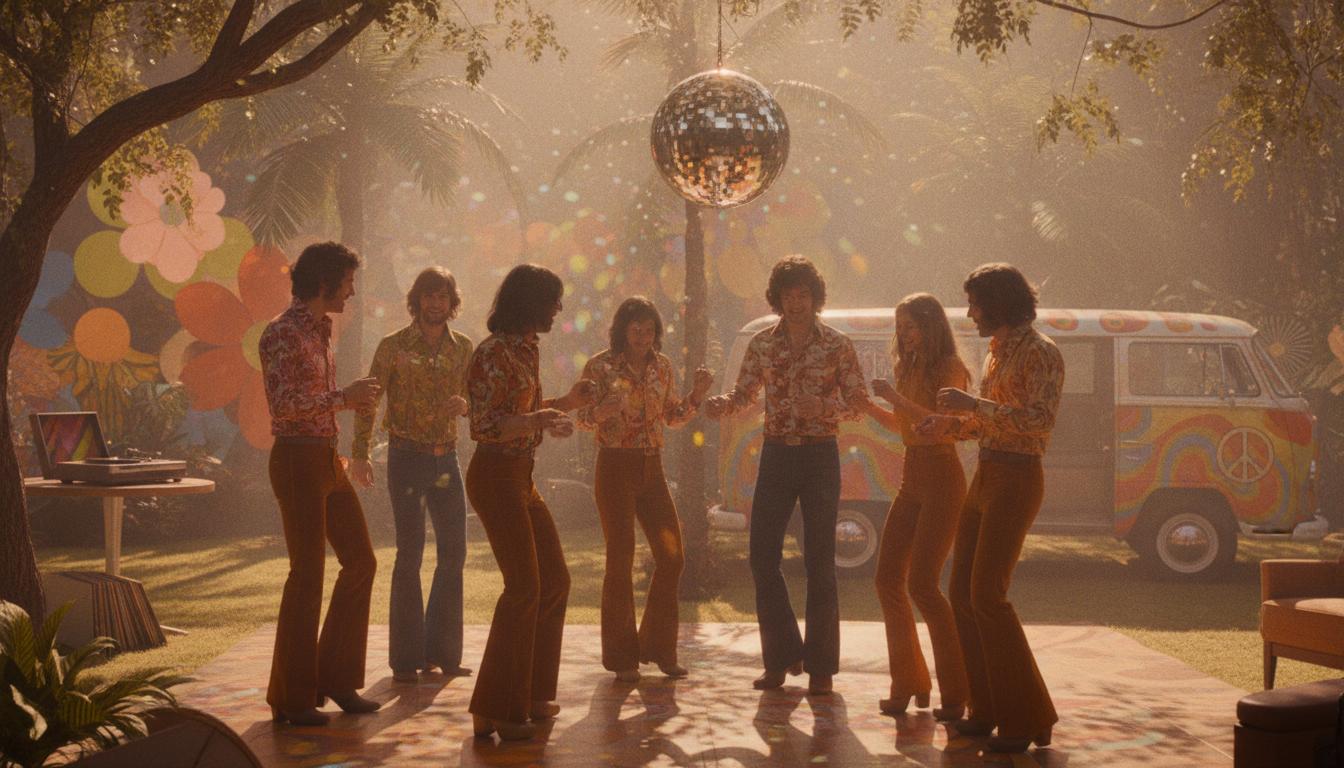
When people say something is “real groovy,” they often mean it has an authentic, feel-good rhythm—warm, funky, and a bit nostalgic. Real Groovy the shop leans into that idea: music you can touch, sleeves to flip, and serendipity in every crate.
Why it matters to New Zealanders
Beyond the records, Real Groovy functions as a living archive. You’ll find local gems—Split Enz, The Chills, Crowded House, Fat Freddy’s Drop, Aldous Harding, Lorde, and more—alongside global classics. For many Kiwis, it’s where musical taste is formed, refined, and rediscovered.
How it works
In-store browsing
Most visits start with the crates. Bins are typically organised by genre and then alphabetically. Staff picks and new arrivals make it easy to scan what’s fresh. Take your time. The thrill of Real Groovy comes from slow discovery: a first pressing tucked behind a reissue, a 7-inch single you didn’t know existed.
Online shopping
The store maintains an online catalogue. You can search by artist, title, label, or format and filter for new versus used. Stock moves fast, so if you see a “real groovy” deal, act. Availability and delivery options are listed on product pages—check the website for current details.
Buy–sell–trade
Real Groovy buys collections and individual items in good condition. Offers are based on demand, rarity, and grading. If you’re selling, clean your records, note any defects, and bring ID. You can usually choose between store credit or cash, though the amounts may differ.
Condition grading (what those letters mean)
- Mint (M): Factory-fresh. Rare to see on used stock.
- Near Mint (NM): Almost perfect. Minimal signs of handling.
- Very Good Plus (VG+): Light wear, plays nicely.
- Very Good (VG): Noticeable wear and surface noise, but still listenable.
- Good (G) and below: Significant wear; collector’s call.
Both the sleeve and the vinyl receive grades. When in doubt, ask staff to explain how a copy plays; they handle a lot of stock and know the quirks.
Types / examples
Formats you’ll find at Real Groovy
- Vinyl LPs (12-inch, 33⅓ RPM): Full-length albums, the core of most collections.
- 12-inch singles and EPs: Often better sound for dance and extended mixes.
- 7-inch singles (45s): Portable hits and deep cuts.
- CDs and cassettes: Affordable, great for filling gaps.
- Turntables, cartridges, and accessories: Slipmats, inner sleeves, cleaning kits.
- Movies and TV on DVD/Blu-ray: From cult classics to box sets.
- Books, zines, posters, and band merch: Cultural context for your shelves.
Genres and local highlights
Expect everything from Aotearoa indie-pop and Dunedin sound to roots, reggae, drum & bass, hip hop, jazz, and metal. Real Groovy typically carries celebrated New Zealand artists—think Split Enz, The Clean, The Chills, Crowded House, Shihad, Lorde, Bic Runga, Fat Freddy’s Drop, The Phoenix Foundation, Unknown Mortal Orchestra, and Aldous Harding—along with reissues and modern pressings of international classics.
Examples of “real groovy” records to hunt
- A soulful 70s compilation for weekend brunches.
- A local pressing of a Kiwi favourite for the home archive.
- A crisp 12-inch house cut for a dancefloor-ready setup.
- A jazz reissue mastered from original tapes for late-night spins.
Pros and cons
New vs used vinyl at Real Groovy
| Factor | New Vinyl | Used Vinyl |
|---|---|---|
| Condition Certainty | Factory-new; minimal risk of defects | Varies by grading; inspect closely |
| Price | Higher RRP, predictable pricing | Often cheaper; rare titles can cost more |
| Rarity | Easy to source current titles and reissues | Chance finds; out-of-print originals |
| Sound | Usually quiet pressings; depends on mastering | Characterful; condition affects noise |
| Collectability | Limited runs can rise in value | First pressings appeal to collectors |
| Returns | Clear policies for defects | Policies vary; check before buying |
In-store vs online at Real Groovy
- In-store: Hands-on inspection, crate-digging surprises, staff advice.
- Online: Quick search, nationwide access, easy re-checking of specs and formats.
Many collectors mix both: preview online, then confirm condition in person when possible.
How to use or choose
Start your Real Groovy journey: a simple plan
- Define your goal: fill classic gaps, explore NZ artists, or build dancefloor tools.
- Set a budget: include sleeves, a brush, and a basic cleaning kit.
- Pick your formats: LPs for albums, 12-inch for club mixes, 7-inch for singles.
- Research pressing notes: look at mastering credits and pressing plants if listed.
- Check grading: compare sleeve and vinyl grades; align with your tolerance for noise.
- Inspect in-store: hold vinyl to the light, look for warps or deep scratches.
- Sample when possible: if there’s a way to audition, use it; otherwise ask staff for play notes.
- Protect and store: grab anti-static inner sleeves and store records upright at room temperature.
- Clean before the first play: even new records benefit from a quick brush.
- Document your collection: a simple spreadsheet or app keeps you from double-buying.
Choosing a turntable at Real Groovy
- Drive type: belt-drive for lower noise; direct-drive for quick starts and DJ use.
- Cartridge: start with an elliptical stylus; upgrade later as your ears sharpen.
- Adjustability: look for counterweight and anti-skate controls for proper setup.
- Built-in phono stage: convenient if your amp lacks a phono input.
- Build and service: favour sturdy platters and easily replaceable parts.
Smart buying tips in a “real groovy” shop
- Prioritise condition over hype. A clean VG+ of a great album beats a crackly “grail.”
- Watch for reissue quality. Some modern pressings sound superb; others are cut from poor sources.
- Check the deadwax. Mastering initials and runout etchings can hint at sound quality.
- Sleeve integrity matters. Split seams and mould are costly to fix.
- Ask about return policies for defective new items and how used returns work.
Selling or trading to Real Groovy
- Clean your records and note standout titles to speed up assessment.
- Be realistic about grading; overgrading leads to lower offers.
- Bring ID and allow time for evaluation, especially with large lots.
- Compare cash vs store credit; credit can stretch further for collectors.
Caring for your records
- Use anti-static inner sleeves and a sturdy outer sleeve.
- Brush before each play; deep clean when needed.
- Keep away from heat, direct sun, and damp.
- Store vertically with breathing room; avoid over-tight packing.
FAQ
What is Real Groovy?
Real Groovy is a prominent Auckland record store and online retailer specialising in new and used vinyl, CDs, movies, books, and music gear. It’s widely known for buy–sell–trade services and a broad catalog of local and international music.
Where is Real Groovy located?
Real Groovy operates a large physical store in central Auckland and an online shop. For the current address, opening hours, and holiday trading, check the store’s official website or social channels.
Does Real Groovy buy used records?
Yes. The store assesses condition, demand, and rarity, then makes an offer. Clean your records and bring valid ID. You can usually choose cash or store credit.
Does Real Groovy ship within New Zealand?
Delivery options are listed online at checkout when available. Check the product page for current stock status and shipping details.
What does “real groovy” mean in music terms?
It describes music with a strong, feel-good rhythm and warmth—often associated with funk, soul, disco, and golden-age pop. In practice: basslines that bounce, drums that swing, and melodies that stick.
How do I know a used record is worth buying?
Match the grading to your expectations, inspect the vinyl under light, check the sleeve, and prioritise clean-playing copies. If you collect, look for early pressings or sought-after masterings.
Is new vinyl always better than used?
No. New can be quieter and convenient, but a clean used original might sound richer. It depends on mastering, pressing quality, and condition.
What accessories should I buy at Real Groovy first?
Anti-static inner sleeves, a carbon-fibre brush, a simple cleaning solution, and a sturdy outer sleeve. If your amp lacks a phono stage, add one or choose a turntable with one built in.
Does Real Groovy host events like Record Store Day?
The store often participates in major record community events. Follow their announcements for special releases, in-store signings, and queue etiquette.
Any quick way to build a “real groovy” starter stack?
Pick a local classic, a soul or funk compilation, one contemporary indie or alt-pop album, a dance 12-inch, and a jazz staple. That mix will cover parties, quiet nights, and Sunday mornings.
How it works (summary checklist)
- Browse in-store or online, then shortlist titles.
- Check format, pressing, and grading details.
- Inspect condition; ask staff for notes when unsure.
- Buy, clean, and store with care. Enjoy the spins.
- Trade in records you no longer play to fund the next hunt.
Final thought
Real Groovy remains a rare kind of shop: equal parts marketplace and museum, with rows of stories pressed into wax. Go slow, follow your ears, and let the grooves lead. When it all locks in—the right pressing, the right setup, the right mood—that’s when music feels truly, unmistakably, real groovy.