
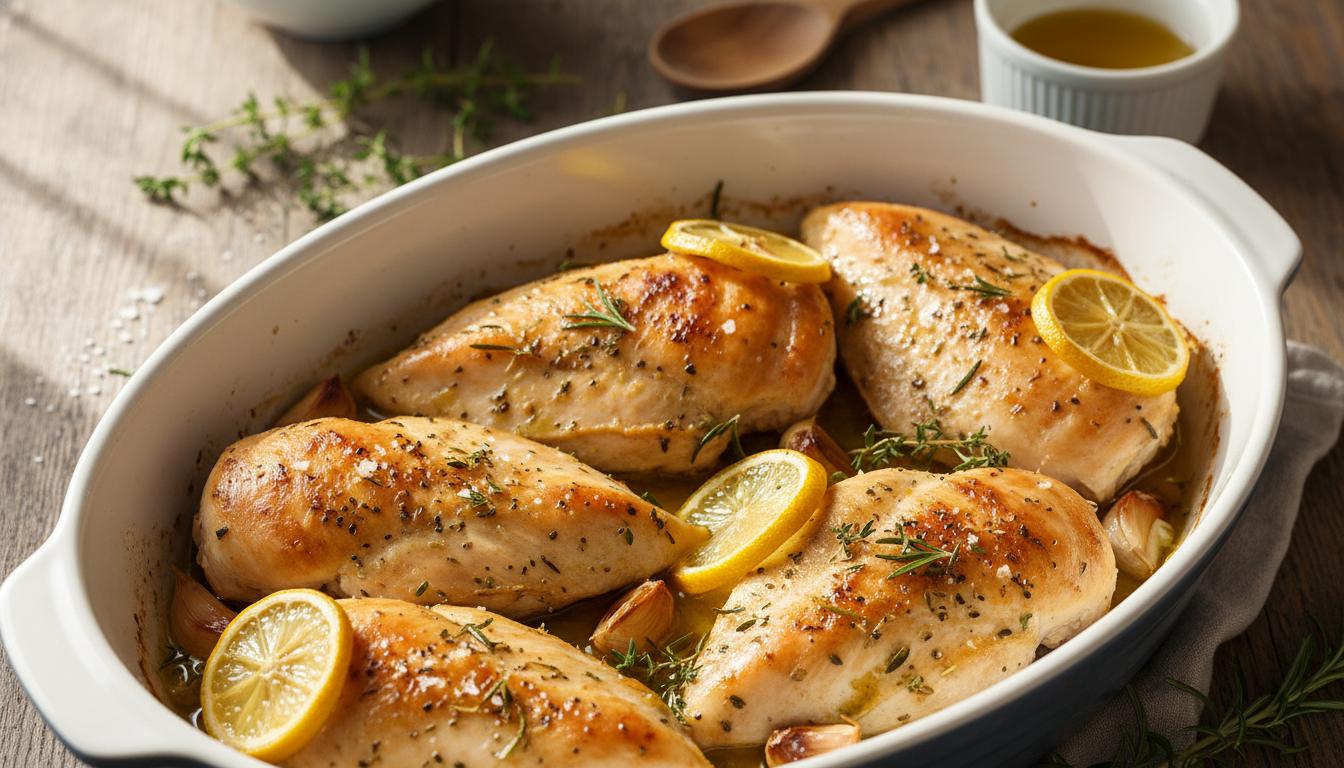
Short on time but keen on a tasty dinner? Chicken breast recipes are weeknight gold in Aotearoa—lean, quick, and endlessly adaptable to local flavours. This guide shows you how to get juicy results every time, compares cooking methods, shares NZ-friendly ideas, and answers the questions people ask most.
What is
Chicken breast is the lean, boneless, skinless white-meat cut from the chest of the chicken. It cooks fast, takes on flavours easily, and suits everything from salads to tray bakes. Because it’s low in fat, it can dry out if overcooked—so method matters.
Key facts:
- Typical size: 180–250 g per piece in NZ supermarkets.
- Safe internal temperature: 74°C (165°F) measured at the thickest part.
- Nutrition (approx. per 100 g cooked): ~31 g protein, ~3.6 g fat, ~165 kcal.
How it works
Great chicken breast recipes come down to even thickness, seasoning that penetrates, and heat control. Here’s the simple science behind juicy chicken breast.
Why breasts dry out
Chicken breast is mostly lean muscle with little collagen or intramuscular fat. Over high heat for too long, proteins contract and squeeze out moisture. Aim to cook to 74°C and stop—carryover heat will finish the job.
What keeps it juicy
- Even thickness: Lightly pound to 1.5–2 cm so it cooks evenly.
- Salt early: A short brine or pre-salt helps retain moisture.
- High-heat sear: Browning (Maillard reaction) adds flavour without long cook times.
- Resting: 5 minutes lets juices redistribute.
5-step foolproof method (works for most chicken breast recipes)
- Brine (optional but ideal): Mix 1 litre water with 30 g plain salt (3%). Submerge breasts 20–30 minutes in the fridge. Rinse and pat very dry.
- Flatten: Pound to an even 1.5–2 cm. Rub with 1 tbsp olive or rice bran oil per breast.
- Season: 1/2 tsp salt per breast plus pepper, garlic powder, and a herb or spice you like.
- Cook:
- Pan + oven: Sear 2 minutes per side in a hot pan, then bake at 200°C for 6–8 minutes.
- Oven-only: Bake at 220°C for 12–15 minutes.
- Air fryer: 190°C for 10–12 minutes, flipping once.
- Check 74°C internal. Rest 5 minutes. Slice across the grain.
Comparison of popular methods in NZ kitchens
| Method | Temp | Time (per 200 g breast) | Texture/Result | Best For | Quick Tip |
|---|---|---|---|---|---|
| Pan-seared + oven | Pan high heat, then 200°C | 2 + 2 min sear, 6–8 min bake | Juicy inside, browned outside | Weeknight mains, sauces | Use an oven-safe pan for fewer dishes |
| Oven-baked | 220°C | 12–15 min | Even cooking, hands-off | Tray bakes, meal prep | Bake on a hot tray for better browning |
| Air fryer | 190°C | 10–12 min | Crisp edges, moist centre | Crumbed, spice-rubbed | Don’t overcrowd the basket |
| BBQ/grill | Medium-high | 3–4 min per side + rest | Smoky char, quick | Summer dinners, marinades | Oil the grill to prevent sticking |
| Poached | Gentle simmer | 12–15 min | Very tender, mild | Salads, shredding | Keep water just shimmering, not boiling |
| Sous vide | 64–66°C | 1–2 hours + sear | Ultra-juicy, precise | Batch cooking | Sear fast in a hot pan after |
Types / examples
Quick weeknight chicken breast recipes (15–25 minutes)
- Lemon–herb pan chicken: Season with salt, pepper, garlic powder, and dried oregano. Sear, then finish with lemon juice, zest, and a knob of butter. Serve with steamed broccoli and kūmara mash.
- Air fryer parmesan crumb: Coat in mayo, grated parmesan, and panko. Air fry at 190°C for 10–12 minutes. Add a side salad with rocket, cherry tomatoes, and avocado.
- Peri-peri BBQ breasts: Marinate in peri-peri sauce, oil, and lemon. Grill 3–4 minutes per side. Great with corn on the cob and coleslaw.
Tray-bake chicken breast recipes (hands-off)
- Manuka honey–soy tray bake: Toss breasts, broccoli, capsicum, and red onion with soy sauce (or tamari), manuka honey, garlic, and ginger. Roast at 220°C for 15 minutes. Finish with sesame seeds and spring onion.
- Pesto and cherry tomato: Smear basil pesto on breasts, scatter tomatoes and courgette rounds. Bake at 220°C for 12–15 minutes. Spoon over juices.
Comforting and creamy (lighter twists)
- Creamy garlic mushroom: Sear chicken, remove. Sauté mushrooms and garlic, deglaze with chicken stock, add a splash of cream or coconut cream, and simmer. Return chicken to coat. Serve over rice or cauliflower mash.
- Mustard–manuka pan sauce: After searing, whisk Dijon mustard, manuka honey, and a little stock into the pan. Reduce until glossy.
High-protein salads and meal prep
- Poached chicken salad: Poach with bay leaf, peppercorns, and a slice of lemon. Cool, slice, and toss with cos lettuce, cucumber, edamame, avocado, and a lemon–olive oil dressing.
- Teriyaki meal prep bowls: Pan-sear sliced chicken, glaze with teriyaki, and pack with brown rice, pickled carrot, and steamed greens. Keeps 3–4 days chilled.
Kiwi-inspired flavours
- Herb crust with parsley, mint, and lemon: Blitz herbs, garlic, lemon zest, and breadcrumbs. Press onto oiled chicken and bake until golden.
- Harissa and yoghurt marinade: Mix Greek yoghurt, harissa, garlic, and lemon. Marinate 1–8 hours. Grill and serve with couscous and a cucumber salad.
Pros and cons
Pros
- Lean, high in protein.
- Fast-cooking; ideal for weeknights and meal prep.
- Versatile; suits NZ pantry staples and produce.
Cons
- Can dry out if overcooked.
- Neutral flavour needs seasoning or sauce.
- Uneven thickness can lead to inconsistent results without prep.
How to use or choose
Choosing chicken breast in New Zealand
- Look for plump, moist, pinkish flesh with no off odour.
- Consider free-range or SPCA Blue Tick certification for higher welfare standards.
- Size matters: thinner fillets cook faster but dry quicker; thicker are better for stuffing or oven-baking.
- Fresh vs frozen: frozen is fine for curries, stir-fries, and meal prep; thaw safely in the fridge.
Storing and handling safely
- Fridge: Keep at 0–4°C and cook within 1–2 days of purchase.
- Freezer: Wrap tightly; best quality up to 9 months.
- Thaw: In the fridge overnight, or in cold water (change every 30 minutes). Never thaw on the bench.
- Do not wash raw chicken; it spreads bacteria. Clean boards and knives with hot, soapy water.
Prepping for success
- Trim: Remove tenders for stir-fries; save main breasts for mains.
- Butterfly: Slice horizontally for thinner, faster-cooking cutlets.
- Brine or pre-salt: 3% brine for 20–30 minutes, or salt 30–60 minutes ahead.
- Season smart: Salt, pepper, and one bold flavour (lemon, smoky paprika, curry powder, pesto, or miso) keep it focused.
Time and temperature cheatsheet
- Oven: 220°C for 12–15 minutes (200 g breast).
- Air fryer: 190°C for 10–12 minutes.
- Pan + oven: Sear then 200°C for 6–8 minutes.
- BBQ: Medium-high, 3–4 minutes per side.
- Always finish at 74°C internal; rest 5 minutes.
Flavour pairings that work in NZ kitchens
- Citrus and herbs: Lemon, thyme, rosemary, parsley, mint.
- Asian pantry: Soy or tamari, ginger, garlic, sesame, miso.
- Spice-forward: Peri-peri, harissa, curry powder, smoked paprika.
- Local touches: Manuka honey, NZ olive oil, seasonal veg like asparagus, courgette, and kūmara.
FAQ
How long do I bake chicken breast at 200–220°C?
At 220°C, most 200 g breasts take 12–15 minutes. Start checking at 12 minutes. Remove at 74°C and rest 5 minutes.
What’s the best way to stop chicken breast from drying out?
Pound to even thickness, brine or pre-salt, cook hot and fast, and rest. A thermometer makes the biggest difference.
Brine or marinade—which is better?
Brine improves juiciness; marinades add flavour. For weeknights, do a 20–30 minute 3% brine, pat dry, then add a quick rub or glaze.
Can I cook chicken breast from frozen?
Yes in the oven or air fryer; add 20–30% more time and check 74°C internal. For best texture, thaw in the fridge first.
What oil should I use for pan-searing?
Choose a high smoke-point oil: rice bran, canola, or light olive oil. Add butter at the end for flavour if you like.
Is chicken breast healthy?
It’s lean and high in protein—about 31 g protein per 100 g cooked—with relatively low fat. Pair with vegetables and whole grains for a balanced meal.
How long does cooked chicken breast keep?
3–4 days in the fridge at or below 4°C. Reheat to steaming hot. Freeze for up to 3 months for best texture.
What internal temperature should I aim for?
74°C at the thickest part. Use an instant-read thermometer for accuracy.
Can I sous vide chicken breast?
Yes. Bag with salt and aromatics, cook at 64–66°C for 1–2 hours, then sear quickly in a hot pan for colour.
What are easy gluten-free or dairy-free swaps?
Use tamari instead of soy (if wheat-based), cornflour or almond meal for crumb, and olive oil instead of butter. Many chicken breast recipes adapt easily.
Should I slice chicken breast before or after cooking?
Cook whole, rest, then slice across the grain. This keeps more moisture in each piece.
Any simple sauces to finish?
Deglaze the pan with lemon juice or white wine, add a splash of chicken stock, whisk in a teaspoon of Dijon or a knob of butter, and reduce until glossy.
What sides go well in NZ?
Roasted kūmara, asparagus in spring, corn in summer, silverbeet or kale in winter, plus rice, quinoa, or crusty bread.
Do I need to tent with foil while resting?
Not usually. A loose tent is fine if your kitchen is cold, but avoid sealing tightly or the crust softens.
Why pound chicken breast?
It evens thickness so the thin end doesn’t overcook while the thick end finishes. Faster, more consistent results.
Final tips
- Season confidently, but measure salt—about 1/2 tsp per breast if not brined.
- Use a hot surface for browning; don’t crowd the pan or air fryer.
- Keep a small notebook or notes app with times that work in your oven or air fryer; appliances vary.
With the right method and local ingredients, chicken breast recipes become the kind you put on repeat—reliable, quick, and genuinely delicious.