
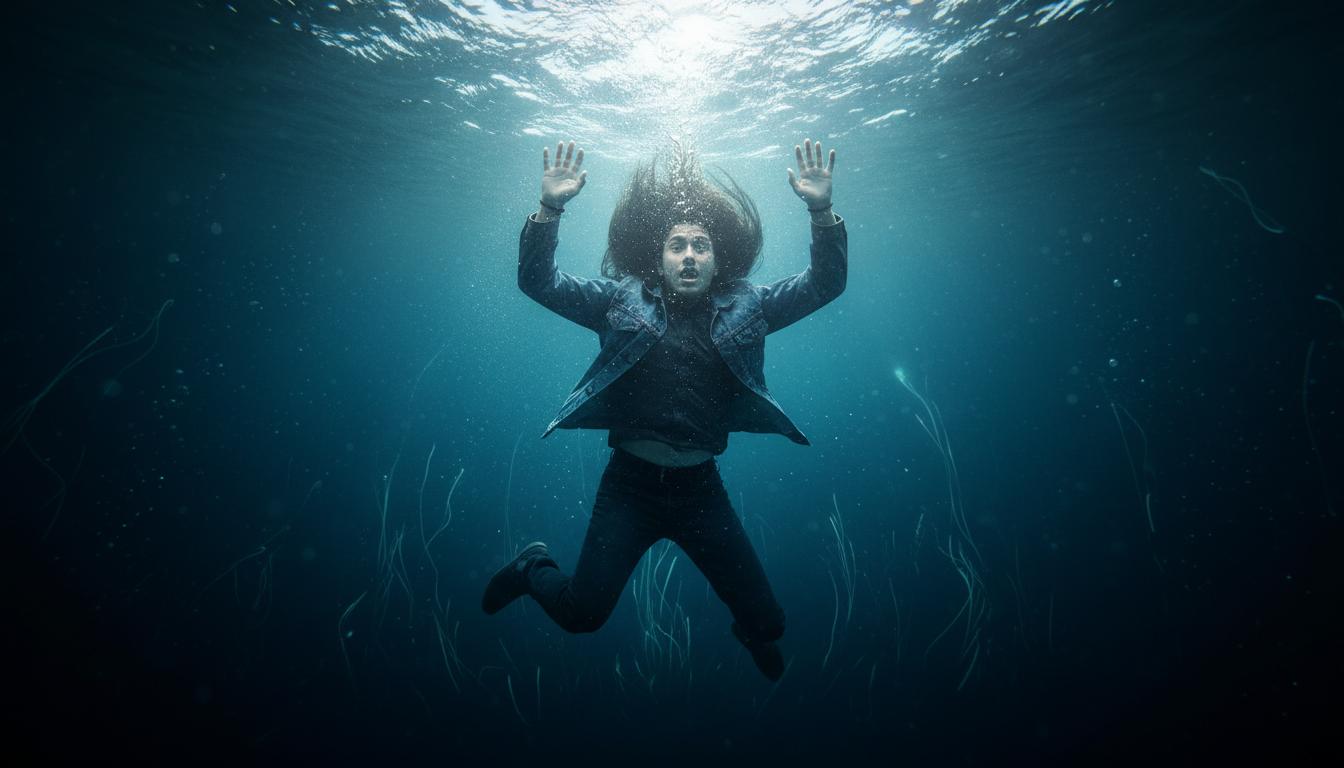
New Zealand lives close to the water. Surf beaches, winding rivers, alpine lakes, backyard pools—most of us are never far from a place to swim, paddle, or fish. With that freedom comes risk. Drowning remains a serious cause of accidental death and injury here, especially for young children, boaties, rock fishers, and people caught out by rips or swift rivers. This guide explains what drowning is, how it unfolds, practical steps to prevent it, and exactly what to do if someone gets into trouble.
You’ll learn how drowning really works in the body (it’s quieter and faster than many people think), the common scenarios in Aotearoa, smart choices to make before you get in the water, and evidence-based first aid you can use while help is on the way.
What is
Drowning is a process. It happens when breathing is impaired by being in or under a liquid—usually water. The outcome can be fatal or non-fatal, but the process is the same: water prevents normal breathing, oxygen levels drop, and organs—especially the brain—are starved of oxygen.
Health experts now use the terms “fatal drowning” and “non-fatal drowning.” Older phrases like “near-drowning,” “dry drowning,” or “secondary drowning” are misleading. If someone inhales water and has breathing trouble hours later, that’s still non-fatal drowning and needs medical assessment.
In New Zealand, drowning can occur anywhere there’s water: surf beaches, rivers, lakes, hot pools, baths, farm ponds, and marinas. It often happens quickly and without the splashing, yelling drama seen in movies.
How it works
Understanding the chain of events helps you spot danger early and respond fast.
The first seconds to one minute
Cold water shock is common in New Zealand’s seas and rivers. Sudden immersion triggers a gasp, rapid breathing, and a spike in heart rate and blood pressure. People may panic, swallow water, or hyperventilate. Strong currents or rips add immediate difficulty.
One to three minutes
As the airway takes in water, the body may respond with laryngospasm (the vocal cords clamp shut). Oxygen levels fall. The person can’t shout for help for long; drowning is often silent. They tire quickly, bobbing just below the surface.
Three to six minutes
Loss of consciousness can occur as the brain runs low on oxygen. Without rescue and effective breathing support, the heart can stop. Even when the heart keeps beating, poor oxygenation can lead to brain injury.
Other factors that speed up drowning
- Rip currents and surf zones that pull swimmers offshore
- Swift river flows, strainers (fallen trees), and foot entrapment
- Alcohol or drugs impairing judgment and swimming ability
- No lifejacket when boating, kayaking, fishing from rocks, or paddleboarding
- Fatigue, cramps, or medical events like arrhythmias or seizures
- Cold water reducing muscle function and coordination
Types / examples
By setting (common in Aotearoa)
- Beaches: Rip currents, shore breaks, and sudden changes in depth. Safer between the red and yellow flags at patrolled beaches.
- Rivers: Slippery rocks, cold water, deceptively fast flows, and hidden hazards. Foot entrapment is a risk for waders.
- Lakes: Calm-looking surfaces that hide drop-offs and wind-driven chop.
- Harbour bars and coastal boating: Breaking waves and instability, especially on small boats.
- Rock fishing: Sudden swells, slippery ledges, and no easy exit if swept in.
- Home pools, baths, and buckets: Toddlers can drown silently in seconds, even in very shallow water.
By population
- Children under five: Most at risk around home pools, baths, and ponds. Supervision lapses are a major factor.
- Teenagers and young adults: Risk-taking, swimming outside flags, and alcohol-related incidents.
- Boaties, paddlers, and rock fishers: Not wearing lifejackets, changing weather, and bar crossings.
- Visitors and newcomers: Unfamiliar with local conditions like rips and river hydraulics.
By mechanism
- Submersion: Fully under water.
- Immersion: Face or airway in water without full submersion (e.g., waves, surf zone, bathtime).
- Entrapment: Caught in kelp, nets, or debris, or foot trapped in river rocks.
- Medical precipitated: Seizure, cardiac event, or injury leading to drowning.
Non-fatal drowning can still cause serious lung injury and complications. Anyone who was unresponsive, inhaled water, or has ongoing cough, breathlessness, chest pain, or confusion should be assessed by a healthcare professional.
Pros and cons
Where to swim: comparing common options
| Location | Main risks | Lifeguards | Pros | Cons |
|---|---|---|---|---|
| Patrolled surf beach (between flags) | Rips, waves, sudden drop-offs | Yes (set hours/season) | Rescuers on hand, flagged safe area, public rescue gear | Conditions change quickly; flags not 24/7 |
| Unpatrolled beach | Rips, holes, isolated areas | No | Quieter, flexible access | No immediate help; harder to read rips |
| Rivers | Fast flows, cold shock, hidden hazards | Rare | Freshwater, sheltered from surf | Unpredictable currents; poor exits |
| Lakes | Drop-offs, wind chop, cold water | Rare | Often clear and calm mornings | Long swims to shore; sudden weather shifts |
| Public pools | Slips, crowded lanes | Yes | Lifeguards, warm water, lane options | Limited opening hours; not surf-specific |
Prevention tools and approaches
- Lifejackets (PFDs)
- Pros: Keeps airway up, buys time, critical for boating, rock fishing, and paddling.
- Cons: Must fit properly and be worn; inflatable models need maintenance.
- Swim lessons and water competence
- Pros: Confidence, technique, and survival skills like floating.
- Cons: Skills can fade without practice; competence is environment-specific.
- Patrolled beaches and swimming between flags
- Pros: Rapid rescue, safer zone selection, public education.
- Cons: Seasonal hours; not every beach is patrolled.
- Alcohol-free aquatic activities
- Pros: Better judgment and reaction time.
- Cons: Social pressure can make this hard; plan ahead.
- Pool fencing and supervision
- Pros: Proven to reduce child drowning; constant line of defence.
- Cons: Requires upkeep; never replaces active adult supervision.
How to use or choose
What to do if someone is drowning (step-by-step)
- Call 111 early. Ask for Police if at the beach (they coordinate Surf Life Saving and Coastguard) or Ambulance for medical emergencies. Put the phone on speaker.
- Think “reach or throw, don’t go” if you’re not trained. Use a stick, towel, rescue tube, or throw a flotation aid. Keep low and brace.
- If you must enter the water, take a flotation device. Approach with caution; a panicked person can drag you under. Only swim out if you’re confident and the conditions are safe enough.
- Once the person is out, check for response and breathing. If unresponsive and not breathing normally, start CPR.
- If trained, give up to 5 initial rescue breaths for drowning, then begin cycles of 30 chest compressions and 2 breaths. Aim for 100–120 compressions per minute, about 5–6 cm deep in adults. For children, use gentler depth relative to chest size.
- Use an AED as soon as it’s available. Follow the voice prompts.
- Continue care until the person breathes normally or trained help takes over. Keep them warm and monitor closely.
After non-fatal drowning, even if the person seems okay, watch for coughing, chest tightness, breathlessness, or confusion over the next few hours. Seek medical care promptly if any symptoms appear.
Choosing safer places to swim
- Prefer patrolled beaches and swim between the red and yellow flags.
- Before you go, check conditions:
- Surf and UV: Surf Life Saving New Zealand beach reports
- Marine and river forecasts: MetService and local council advisories
- In Auckland, water quality and hazards: Safeswim
- At the beach, learn to spot rips: deeper, darker channels with fewer breaking waves and foam moving seaward.
- At rivers, test the current from the bank with a stick. If it’s moving faster than you can walk, don’t swim.
Choosing and using a lifejacket
- Pick a lifejacket that meets AS/NZS 4758 (or other recognised standard) and suits your activity (inshore, offshore, paddling).
- Fit matters: snug at the chest with all buckles or zips secured. Lift at the shoulders—if it rides up to your chin, it’s too big.
- Inflatable models: service them per the maker’s schedule, check the cylinder is tight, and carry a backup like a foam vest when conditions are rough.
- Children: choose a crotch strap and a collar to help keep the head back. Model safe behaviour—adults wear them too.
Home pool and child safety
- Ensure your residential pool has a compliant barrier and a self-closing, self-latching gate as required by New Zealand law.
- Keep baths and buckets empty when not in use. Keep toddlers within arm’s reach, always.
- Remove climbable objects from near pool fences and keep toys out of the water when not supervised.
Skills worth learning
- Float on your back and control breathing if caught in a rip; signal for help with one arm up.
- Survival strokes that conserve energy, like sidestroke and backstroke.
- Throw rescues and basic CPR through a Surf Life Saving or first aid course.
FAQ
What are the quiet signs of drowning?
Head low in the water, mouth at water level, glassy or unfocused eyes, hyperventilating or gasping, hair over the face, weak or no leg kick, and an instinctive push-down motion of the arms. The person may not be able to shout or wave.
Can you drown in shallow water?
Yes. A child can drown in a few centimetres of water. Adults can drown in knee-deep surf if knocked over and disoriented, or in a bath or hot pool after a medical event or alcohol use.
Is “dry drowning” real?
No. The accepted term is non-fatal drowning. Breathing problems can develop after inhaling water, sometimes hours later. If that happens, seek medical care.
How long before brain damage occurs?
Without oxygen, brain injury can begin within minutes. Early rescue breaths and high-quality CPR improve the chances of survival and recovery.
Should I try an in-water rescue?
Only if you’re trained and it’s safe enough. Most rescuers get into trouble by underestimating rips, waves, or river currents. Try “reach or throw” first. If entering, take a flotation aid and approach with caution.
Do I need to clear water from the lungs before CPR?
No. Don’t waste time trying to drain water. Start rescue breaths and chest compressions. If vomiting occurs, roll the person onto their side briefly to clear the airway, then continue CPR.
What about hypothermia during a drowning incident?
Cold water can quickly sap strength. After rescue, remove wet clothing if possible, wrap the person in dry layers, and shield from wind. Avoid aggressive rewarming on limbs; focus on the core and get medical help.
Should paddleboarders and kayakers wear lifejackets in New Zealand?
Yes. Wear a properly fitted PFD, carry a communication device (e.g., VHF or mobile in a waterproof pouch), and check local bylaws and Maritime NZ guidance.
How do I escape a rip current?
Float to control your breathing. Don’t fight the rip. Signal for help by raising an arm. If able, swim parallel to the beach to leave the rip, then angle back to shore with the waves.
Where can I learn more about drowning prevention locally?
Surf Life Saving New Zealand, Water Safety New Zealand, Coastguard, and your local council publish advice, patrol times, and safety alerts. Many offer courses in beach safety, boating, and CPR.
Final thoughts
Drowning is fast, quiet, and preventable. Choose safer places to swim, wear a lifejacket on the water, watch the kids like a hawk, and respect conditions. If things go wrong, call 111, act early with reach-or-throw rescues, and start CPR with rescue breaths. These simple moves save lives on New Zealand shores, rivers, and lakes.