
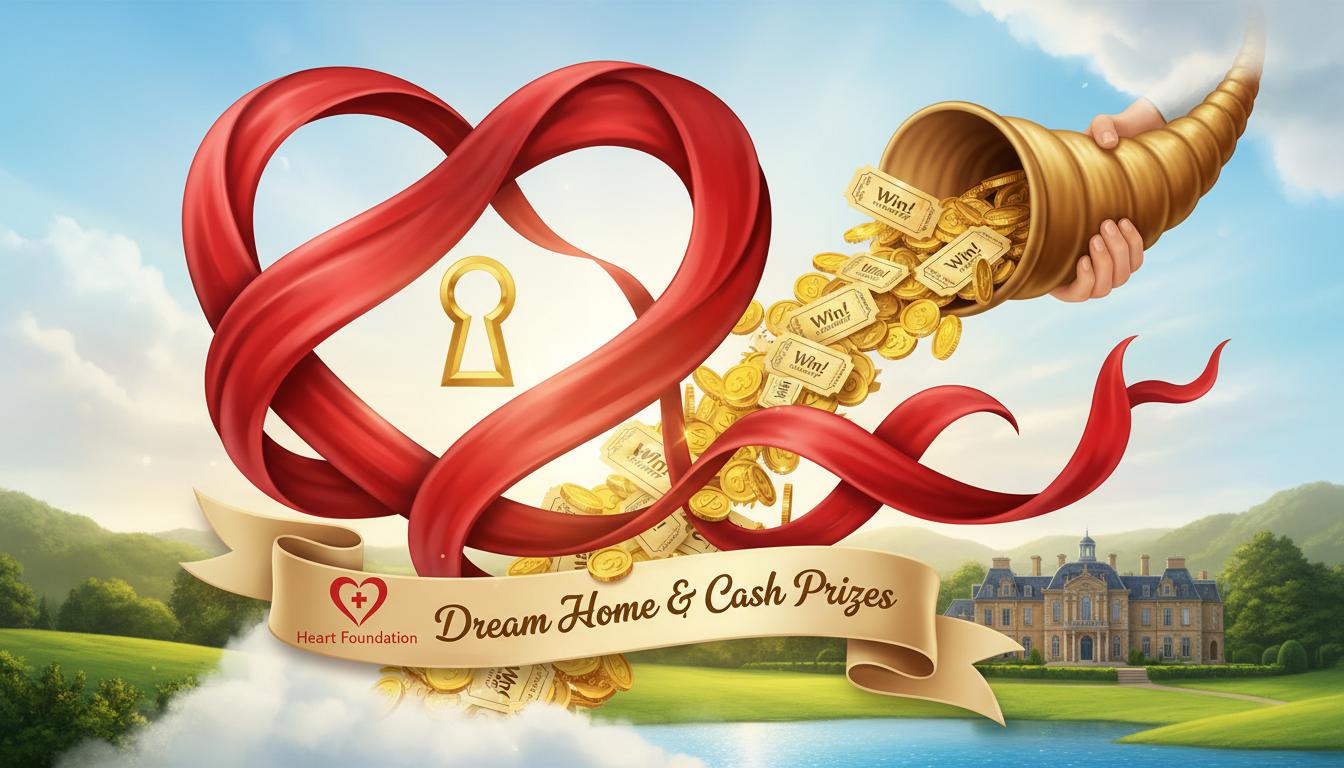
The heart foundation lottery is more than a chance to win cash or prizes. In New Zealand it is a practical way to support heart health, research and prevention while getting a shot at meaningful rewards. This article explains what the heart foundation lottery is, how it works, the types you might see, pros and cons, how to choose and use tickets, and answers common questions.
What is the heart foundation lottery?
The heart foundation lottery is a fundraising raffle run to raise money for heart health programs. Organised by a Heart Foundation charity or affiliated trust, the lottery sells tickets to the public. A draw then decides winners of cash, cars, travel or other prizes. Revenue after costs funds research, community programmes, education and advocacy related to heart disease.
In New Zealand the lottery model is a familiar way for charities to generate ongoing income. The heart foundation lottery links everyday giving to a tangible chance of winning. Tickets are usually available online, by phone or from authorised retailers.
How it works
At its core the heart foundation lottery follows a simple pattern: sell tickets, run a draw, pay prizes, and use proceeds for charity. The details matter, so here’s a clear breakdown.
Step-by-step process
- Ticket sales open for a set period; purchase options include online checkout, phone orders, or retail outlets.
- Each ticket has a unique number or code linked to the buyer’s contact details.
- A public draw happens on a scheduled date. Winners are selected by random drawing methods that are typically audited or observed for fairness.
- Winners are notified and prizes are paid according to the charity’s rules and terms.
- After costs are covered, the remaining funds are allocated to the Heart Foundation’s approved programmes.
Most lotteries publish a breakdown showing how ticket revenue is spent. That transparency helps donors see the impact of their contribution through the heart foundation lottery.
Legal and practical safeguards
- Lotteries in New Zealand are regulated to ensure fairness and ethical fundraising.
- Winners normally have to claim prizes within a set period and provide identification.
- Tickets cannot be sold to under-18s and purchasers must agree to the charity’s terms and conditions.
Types / examples
Not all heart foundation lotteries look the same. Different formats suit different goals.
- Regular draw lotteries — Tickets sold for a weekly or monthly draw with cash or goods prizes.
- Major prize lotteries — One-off large draws linked to big-ticket items like houses or holiday packages.
- Raffle events — Tickets sold at a community event with multiple small prizes.
- Online lotteries — Digital-only draws that include instant win components or recurring subscriptions.
Examples in New Zealand often combine these formats. A charity might run a monthly draw for cash while hosting a separate annual major prize lottery to raise larger sums.
Comparison: heart foundation lottery vs other lottery types
| Feature | Heart Foundation Lottery | National Lotto (e.g. Lotto NZ) | Other Charity Lotteries |
|---|---|---|---|
| Purpose | Fund heart health research and programmes | General public games run for profit and government/tax reasons | Fund various charitable causes (education, sports, health) |
| Prize size | Small to large depending on campaign | Often very large jackpots (Powerball, Lotto) | Varies; sometimes sponsored prizes |
| Ticket price | Usually modest; multiple-ticket discounts common | Fixed per play cost | Variable; sometimes cheaper than national lotto |
| Odds | Better odds than national lotto in many cases | Lower odds for jackpot wins | Similar to heart foundation lottery — depends on ticket volume |
| Funds to charity | Direct and specified to heart programmes | Government/tax and operator margins; not charity-focused | Directed to the relevant charity |
Pros and cons
Advantages
- Supports vital heart research and community health projects.
- Offers better odds of winning larger, realistic prizes than national jackpots.
- Allows donors to combine giving with the chance to win, which some find more motivating.
- Many lotteries provide transparent reporting on where funds go.
Disadvantages
- Tickets cost money and do not guarantee outcomes — treat them as fundraising, not investment.
- Some people may be tempted to buy more tickets than they can afford.
- Smaller prize pools than national lotteries limit the size of winnings.
- Administration and prize costs reduce the amount available for programmes.
How to use or choose a heart foundation lottery
Choosing which heart foundation lottery to support depends on your goals, budget and values. Use this short guide to decide and purchase responsibly.
Quick decision checklist
- Confirm the lottery is run or endorsed by a reputable Heart Foundation organisation.
- Read the terms: prize details, draw date, claim period and refund policy.
- Check how much of each ticket goes to programmes versus costs.
- Decide how much you can afford to spend without harm to your budget.
- Prefer official channels: buy from the charity website or authorised sellers.
How to buy tickets — numbered steps
- Visit the official Heart Foundation website or authorised retail outlet.
- Choose the lottery or draw you want to enter and select ticket quantity.
- Complete payment using secure methods — card or accepted online gateway.
- Receive a confirmation email or printed ticket with your unique number.
- Check draw details and set a reminder for the draw date.
Keeping your confirmation and phone number updated helps organisers contact you if you win. Also, maintain a copy of the terms and your ticket details until after prize claims close.
FAQ
Who runs the heart foundation lottery?
Typically a Heart Foundation charity or a registered fundraising trust runs the heart foundation lottery. The organiser should be clearly named on all promotional material and the ticket itself.
Are winnings from the heart foundation lottery taxable in New Zealand?
No. Lottery and raffle winnings are generally not taxed as income in New Zealand. However, if you generate income from those winnings (for example, interest on a lump sum), the income from that source may be taxable.
How much of my ticket purchase supports heart programmes?
This varies by campaign. Reputable lotteries publish a breakdown showing the percentage that goes to prizes, administration and the charity’s programmes. Look for that information before buying.
How do I check results?
Results are usually posted on the Heart Foundation’s website, sent by email or announced publicly. Keep your ticket number and check the official channels after the draw.
What if I lose my ticket?
If you bought online, your purchase confirmation usually suffices. For paper tickets, contact the organiser immediately. Procedures differ, so act fast and follow the charity’s instructions.
Can I get a refund?
Refunds depend on the organiser’s terms. Many lotteries do not offer refunds once a ticket is sold. Check the refund policy before purchase.
Is the heart foundation lottery safe to enter?
Yes, when you buy through official channels. Ensure the lottery is registered, read the terms, and avoid third-party sellers who are not authorised. Always protect your personal and payment details.
Final thoughts
The heart foundation lottery is an accessible way for New Zealanders to support heart health while entering a prize draw. If you enjoy the thrill of a draw and want to give back, it can be a meaningful choice. Buy thoughtfully, follow the rules, and treat tickets as charitable donations with a potential bonus — not guaranteed income.
Want to act? Check the Heart Foundation’s official site for current lotteries, read the rules, and pick a ticket that matches your budget and values. Responsible participation keeps the focus where it should be: improving heart health across New Zealand.