
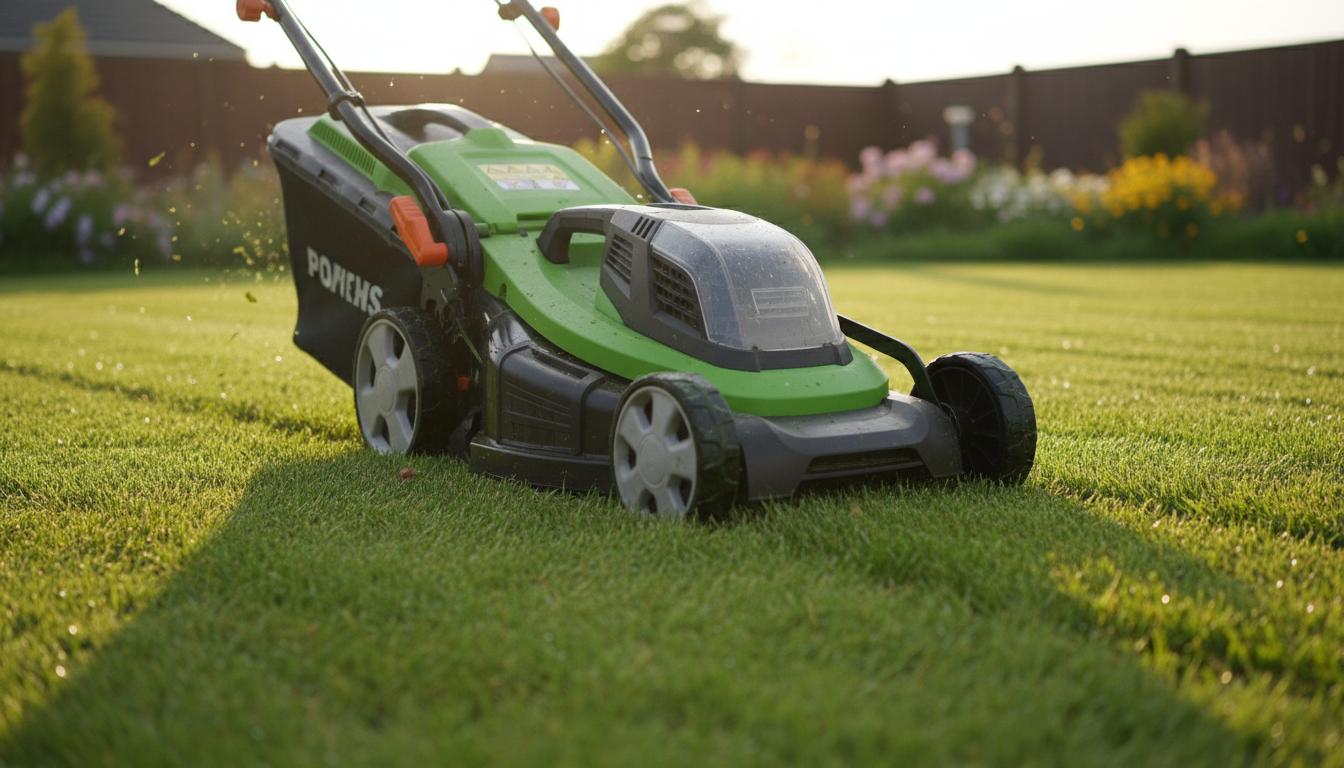
From damp Waikato mornings to windy Canterbury afternoons, Kiwi lawns grow fast and differently across the country. A good lawn mower turns that growth into a tidy, healthy lawn without stealing your weekend. This guide explains what a lawn mower is, how it works, the main types sold in New Zealand, their pros and cons, and clear steps to choose and use the right machine for your section.
What is
A lawn mower is a machine that cuts grass to a set height using either a fast-spinning rotary blade or a cylinder (reel) of blades. Modern mowers range from simple hand-push models to battery-powered, petrol, ride-on, and fully robotic units. In New Zealand, where sections vary from compact urban plots to lifestyle blocks, choosing the right lawn mower depends on lawn size, slope, grass type, and how you prefer to manage clippings.
Most household lawn mowers are walk-behind rotary machines because they handle mixed grasses (ryegrass, fescue, kikuyu, couch) and uneven ground well. Cylinder mowers deliver a bowling-green finish but need a smooth, level lawn and regular maintenance.
How it works
Two cutting systems dominate:
- Rotary: a horizontal blade spins at high speed, slicing grass through impact. Suits most Kiwi lawns, including slightly rough or bumpy ground.
- Cylinder (reel): a helical cylinder passes grass against a fixed bed knife, like scissors. Produces a very clean cut at low height when the lawn is flat and groomed.
Power options:
- Petrol: internal combustion engine drives the blade (and wheels if self-propelled). Strong on long, wet, or tough growth like kikuyu.
- Battery (cordless): electric motor powered by rechargeable lithium-ion batteries. Quiet, low-maintenance, no cords.
- Corded electric: light and inexpensive, limited by the lead.
- Robotic: battery mower that runs itself within a boundary (usually a perimeter wire). Mows little and often.
- Ride-on / zero-turn: seated machines for large areas; some are petrol, some battery.
Key parts of a lawn mower:
- Deck: the housing over the blade; steel, alloy, or composite.
- Blade set: rotary bar or cylinder reel with bed knife.
- Height adjuster: sets cutting height in millimetres.
- Drive: push or self-propelled; ride-ons use hydrostatic or similar.
- Clipping management: rear bag/catcher, side discharge, or mulching plug.
Types / examples
Manual reel (hand mower)
Silent, light, and best for small, flat lawns. Delivers a clean cut when grass is short and dry. Struggles with long or coarse growth and fallen twigs.
Battery (cordless) rotary mower
Now the go-to for many urban sections. Instant start, low noise, and little maintenance. Runtime depends on battery capacity; dual-battery systems extend coverage. Great for 100–600 m² lawns, depending on kit and grass conditions.
Corded electric mower
Cheap to buy and light to push. The power lead limits reach and needs careful handling around trees and edging.
Petrol rotary mower
Still the benchmark for raw cutting grunt, especially with wet spring growth or tall kikuyu. Wider decks and self-propelled drives help on larger sections and slopes. Requires fuel, oil, servicing, and careful storage.
Cylinder mower (powered)
For manicured finishes at low heights. Loves level turf and consistent schedules. More setup and sharpening than rotary mowers.
Robotic mower
Mows daily or several times a week within a boundary. Quiet, keeps lawns constantly short, and fits busy routines. Installation and setup matter; ideal for enclosed, relatively simple shapes.
Ride-on and zero-turn
For big areas and lifestyle blocks. Zero-turn models excel around trees and gardens. Battery ride-ons are emerging and suit those wanting lower noise and maintenance.
Common brands and where to buy in NZ
You’ll see Masport, Honda, Husqvarna, STIHL, Ryobi, Makita, Victa, and others at Mitre 10, Bunnings, STIHL Shop, and independent mower stores. Local dealers are useful for setup, parts, and repairs.
Comparison table: which lawn mower suits your lawn?
| Type | Best for | Power | Typical deck width | Pros | Cons | Ongoing cost |
|---|---|---|---|---|---|---|
| Manual reel | Small, flat lawns (≤150 m²) | Human | 300–400 mm | Silent, cheap, great cut | Hates long/kikuyu grass | Very low |
| Battery rotary | Urban sections (100–600 m²) | Battery | 400–460 mm | Quiet, easy start, low maintenance | Runtime limits; battery cost | Low–medium (battery replacement over time) |
| Corded electric | Small lawns with outdoor power | Mains | 320–420 mm | Light, affordable, no charging | Cable management, limited range | Low |
| Petrol rotary | Medium–large lawns, tough growth | Petrol | 460–530 mm | Powerful, handles wet/long grass | Noise, emissions, servicing | Medium (fuel, oil, service) |
| Cylinder (powered) | Level, manicured turf | Petrol or electric | 350–510 mm | Premium finish, low cut heights | Setup sensitive, frequent sharpening | Medium |
| Robotic | Enclosed, simple lawns | Battery | N/A | Hands-off, very quiet | Install cost, boundary setup | Low |
| Ride-on / zero-turn | Large areas (≥2000 m²) | Petrol or battery | 760–1370 mm+ | Fast over big areas | Storage space, higher cost | Medium–high |
Pros and cons
Battery lawn mower
- Pros: clean operation, quick start, compatible batteries across tools, easy storage, good for neighbours.
- Cons: limited runtime per charge, performance drops with very long or wet grass unless using high-end models.
Petrol lawn mower
- Pros: strong torque for heavy growth, wide decks, self-propel options, reliable for big jobs.
- Cons: fuel and oil handling, more noise, regular servicing, emissions.
Cylinder mower
- Pros: sharp, scissor-like cut; crisp stripes; precise low heights.
- Cons: needs level turf, regular reel/bed-knife adjustment, not forgiving on sticks or uneven ground.
Robotic mower
- Pros: saves time, keeps lawn at a constant height, very quiet, low running cost.
- Cons: boundary wire installation, complex shapes or steep slopes can be tricky, upfront price, security considerations.
How to use or choose
How to choose the right lawn mower in New Zealand
- Measure your lawn area: a quick walk with a measuring app or tape helps. Under 400 m² often suits battery; over 800 m² may justify petrol, self-propelled, or ride-on.
- Check the terrain: slopes, bumps, and soft spots. Self-propelled drives and larger wheels help on hills. Cylinder mowers prefer flat, firm turf.
- Match the grass: rye/fescue mixes are easy; kikuyu and couch can be dense—choose more power or a sharp cylinder if you keep it low.
- Decide clipping management: bagging for a tidy look; mulching to feed the soil; side discharge for rough or fast cuts.
- Think noise and neighbours: battery and robotic mowers keep peace in tight suburbs.
- Plan storage and charging: allow dry, secure space; battery chargers like a sheltered power point; ride-ons need more room.
- Service support: check local dealers for blades, belts, batteries, and warranty work.
- Budget the lifetime cost: include fuel, oil, servicing, battery replacement, and time spent mowing.
Set cutting heights for Kiwi grasses
- Perennial rye/fine fescue: 25–40 mm; in dry summer, raise to 40–50 mm to protect roots.
- Kikuyu: 20–30 mm if frequently mown; higher if you can’t mow often to avoid scalping.
- Couch: 15–25 mm on smooth lawns; avoid extreme lows unless turf is groomed.
How to mow well, step by step
- Inspect the lawn: remove toys, stones, and branches.
- Set height: start higher than you think, then lower next cut if needed. Never remove more than one-third of the blade length.
- Choose a pattern: alternate directions each mow to reduce ruts and encourage upright growth.
- Mow when dry: blades cut cleaner and clippings spread better.
- Edge last: use a trimmer or edger, then a quick tidy pass with the lawn mower to collect debris.
- Clean up: brush or hose under the deck (battery removed; spark plug lead off for petrol) and empty the catcher.
- Store safely: cool, dry spot; batteries off the mower and on the charger if recommended by the maker.
Maintenance basics that extend mower life
- Keep blades sharp: for rotary mowers, inspect each season; cylinder reels need more frequent attention.
- Fuel sense: use fresh unleaded petrol and follow your manual on ethanol limits; don’t store fuel for months.
- Battery care: avoid full discharge, store cool and dry, and keep contacts clean.
- Deck care: remove built-up clippings to prevent rust and improve airflow.
- Annual service: change oil and filters on petrol units; check belts, cables, and wheel bearings on all mowers.
FAQ
What lawn mower is best for a small NZ urban section?
A battery rotary lawn mower with a 36–46 cm deck suits most small to medium sections. It starts instantly, is quiet, and needs little upkeep.
How often should I mow in New Zealand seasons?
Spring to early summer: often weekly, sometimes more in peak growth. Mid-summer dry spells: less frequent but at a higher cut. Winter: every few weeks or when growth demands.
Should I bag, mulch, or side discharge?
Mulching is ideal for regular cuts—it returns nutrients and reduces green waste. Bag when the lawn is long or you want a very tidy finish. Side discharge helps on rough or overgrown patches.
Can a battery lawn mower handle kikuyu?
Yes, if you mow regularly and use a capable model with sharp blades. For infrequent cuts or very dense growth, a higher-spec battery mower or a petrol mower is more forgiving.
What cutting height is healthiest for my lawn?
A safe rule is 30–40 mm for most cool-season mixes, a touch lower for kikuyu and couch if the lawn is smooth. Raise the height in hot, dry periods.
Are robotic mowers suitable for Kiwi gardens?
They work well on enclosed lawns with gentle slopes and few holes. Most use a perimeter wire; some higher-end models add GPS assistance. Use a PIN/lock and consider placement out of street view.
Is mowing wet grass a bad idea?
Avoid it when you can. Wet grass clumps, clogs the deck, and tears rather than cuts. If you must, raise the height and go slowly, then clean the mower thoroughly.
How often should I sharpen mower blades?
For rotary mowers, check at least once a season or after hitting debris. Cylinder mowers need more frequent touch-ups because their cutting depends on precise contact with the bed knife.
What safety steps matter most?
Wear covered footwear and eye protection, keep children and pets away, never reach under a deck while connected to power or with a spark plug attached, and let engines cool before refuelling.
Where can I dispose of clippings?
Mulch them back into the lawn when conditions allow. Otherwise, compost at home or use your local council’s green waste options where available.
Quick picks by lawn size
- Up to 150 m²: manual reel or compact battery mower.
- 150–600 m²: mid-range battery lawn mower with 2 batteries, or corded electric if a lead is practical.
- 600–1500 m²: petrol self-propelled or a high-capacity battery mower; consider a robotic mower if the layout is simple.
- Over 2000 m²: ride-on or zero-turn; battery ride-on if you want low maintenance and have charging access.
Final tips for Kiwi conditions
- Raise the deck before a nor’wester or dry spell to shade the soil and save water.
- Alternate mowing patterns to avoid wheel tracks on soft spring turf.
- Service before spring growth hits so your lawn mower is ready when you are.
- Buy once, cry once: the right deck width and sharp blades save hours over a season.