
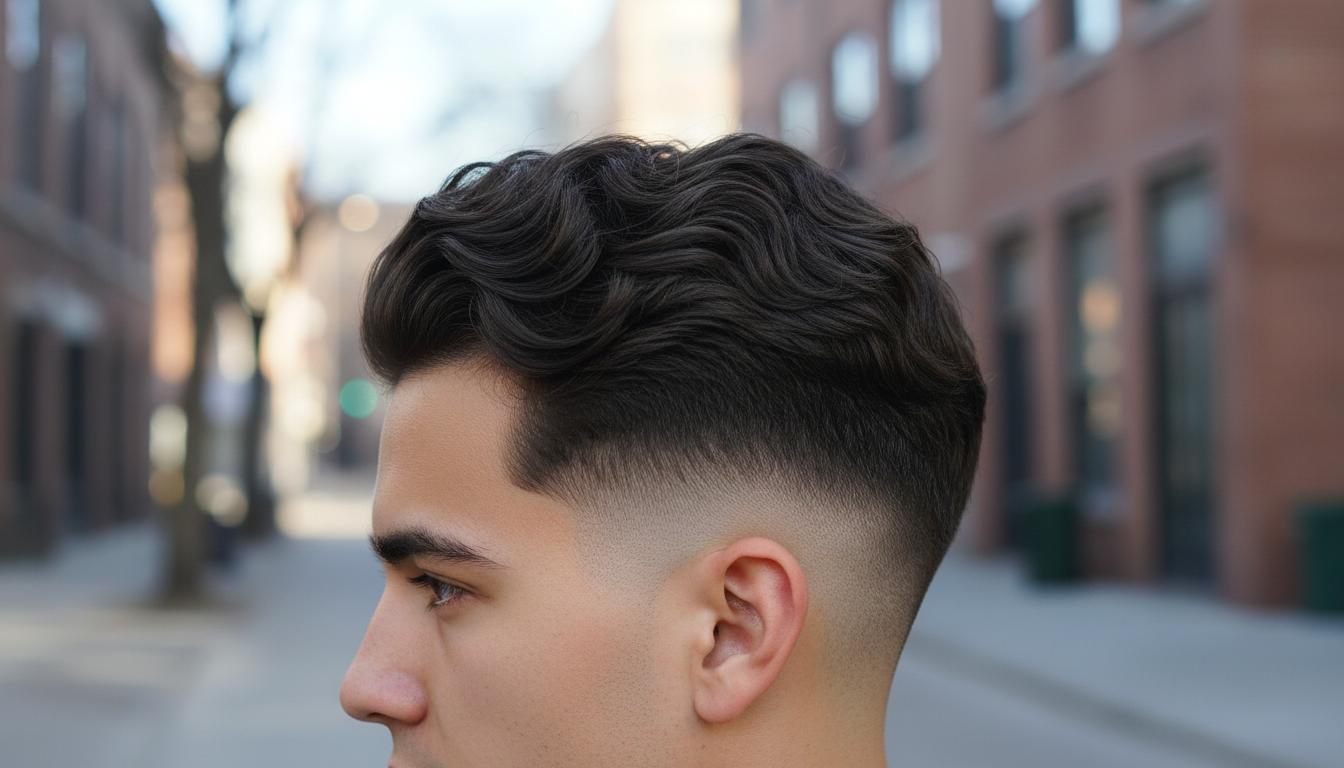
Want clean edges without the boot-camp buzz? The low taper gives you that sharp, subtle finish that suits almost every head, hair type, and job in Aotearoa. It’s tidy for work, easy under a footy helmet, and relaxed enough for the weekend. Below you’ll learn what a low taper is, how it works, the best styles (including the low taper fade and low taper mullet), how to choose the right version for you, and how to keep it looking mint in New Zealand conditions.
What is
A low taper is a haircut where the hair gradually shortens near the sideburns and neckline, starting low on the head, while leaving more length above the ears and on top. It’s a soft, natural gradient rather than a harsh contrast.
Think of it as a neat “tightening” around the edges: short at the very bottom, blended up into your existing length. The result is clean and refined, not extreme.
- Low taper fade: the taper taken down to very short or skin at the edges for extra contrast.
- Low taper sides: minimal bulk around the ears, with length left higher up.
- Low taper haircut: an umbrella term covering scissor or clipper finishes and different neckline shapes.
Because the taper starts low, it flatters a wide range of face shapes and hair textures—straight, wavy, curly, or coily.
How it works
Barbers create a low taper by starting the shortest point near the sideburns and the nape, then blending up just a few centimetres. The top and most of the sides keep their length.
- Start point: at or just above the sideburn and along the natural neckline.
- Blend zone: a narrow band where short hair fades into longer hair.
- Finish: can be soft (scissor) or crisp (clipper and trimmer). A line-up is optional.
Typical guard numbers: many barbers begin around a 0.5–1 at the very bottom, then blend to a 1.5–3 above. If you prefer the softest look, ask for a scissor taper at the edges instead of very short guards.
Maintenance in NZ: expect a tidy-up every 2–4 weeks, depending on how clean you like the edges. The taper grows out gracefully, so you won’t look ragged if you stretch appointments a bit, especially through busy seasons like winter code or summer holidays.
Types / examples
Low taper fade
A low taper fade drops to very short or skin at the base, then blends quickly into length. It’s crisp around the ears and neck, great for humid Auckland days because it reduces bulk without exposing too much scalp.
Classic low taper with textured top
Keep 5–8 cm on top, add texture with a matte clay, and taper the edges low. It’s easy to style and office-friendly across New Zealand workplaces.
Low taper mullet
This pairs a tidy, tapered front and sides with extra length at the back. The low taper keeps the front clean while the mullet stays the hero. Popular at festivals and footy grounds across the country—fun, but still wearable.
Curly or coily low taper
Leave your curls or coils fuller on top, taper low at the sides and nape. Use leave-in conditioner or cream to define curls and fight coastal frizz from Wellington winds or Northland humidity.
Low taper with side part or slick-back
For a polished look, combine a natural part with a low taper. Use a light pomade or cream for control without heavy shine.
Buzz cut with low taper
A uniform buzz on top with a subtle low taper at the edges adds shape and prevents the “helmet” effect.
Beard integration
Blend sideburns into your beard with a low taper. Ask your barber to match the beard’s line and density so the transition looks intentional.
Comparison: low taper vs other tapers and fades
| Style | Where the blend starts | Overall look | Maintenance | Good for |
|---|---|---|---|---|
| Low taper | Near sideburns and neckline | Subtle, neat edges | 2–4 weeks | Most face shapes; office-friendly |
| Mid taper | Midway up the sides | More contrast than low | 2–3 weeks | Thicker hair; sportier vibe |
| High taper | High on the sides | Bold, airy sides | 2 weeks | Very dense hair; modern, sharp look |
| Temple taper | Focused at temples and sideburns | Ultra-localised clean-up | 2–3 weeks | Keeping length on the sides |
| Skin fade (low) | Low, down to skin | High contrast at the base | 1–3 weeks | Crisp, modern edge; hot weather |
Pros and cons
Pros
- Versatile: pairs with curls, waves, straight hair, and most styles on top.
- Work-safe: subtle enough for conservative offices and schools in NZ.
- Low drama: grows out smoothly, so you can push appointments if needed.
- Comfortable: cooler around the neck and ears without exposing too much scalp.
- Balanced shape: reduces bulk at the edges while keeping fullness up top.
Cons
- Less dramatic: if you want strong contrast, a mid or high taper might suit better.
- Detail work: a sharp low taper fade needs skill; DIY can be tricky.
- Frequent tidy-ups if you like razor-sharp edges every day.
How to use or choose
Pick the right low taper for your hair and lifestyle
- Hair density: thick hair benefits from a slightly wider blend zone; fine hair often looks best with a softer scissor taper.
- Face shape: a low taper keeps width at the temples, helpful for long or narrow faces.
- Job or school rules: the low taper haircut reads clean and professional without looking extreme.
- Sport and helmets: cyclists, rugby and league players, and tradies who wear hard hats often prefer the low taper for comfort and easy maintenance.
How to ask your barber for a low taper (step-by-step)
- Show a reference photo. Say “I’d like a low taper,” and point out how high you want the blend to travel.
- Choose the finish: soft scissor taper or low taper fade down to very short/skin.
- Specify top length and texture: e.g., “Keep 6 cm on top with natural texture,” or “Tidy crop.”
- Neckline preference: tapered natural, rounded, or squared. In NZ, a natural tapered nape grows out best.
- Sideburns and beard: say whether to taper into a beard, and how dark you want the sideburns.
- Product talk: ask for product advice for your climate—matte clay for dry days, cream or leave-in for humidity.
- Maintenance plan: agree on a 2–4 week tidy-up cycle depending on how sharp you like the edges.
Home styling tips for New Zealand weather
- Humidity control: a light cream or leave-in conditioner keeps curls defined; a matte paste stops straight hair from puffing.
- Wind resistance: finish with a low-hold hairspray or sea-salt spray for texture that can be reshaped.
- Sun care: apply SPF near the neckline and part line, especially in summer.
- After training: rinse sweat out and use a gentle conditioner; salt and sweat can dry the hairline.
Choosing a barber in Aotearoa
- Look for experience with tapers and fades in their portfolio or socials.
- Qualifications: many NZ barbers hold NZQA-recognised training or HITO apprenticeships; membership of industry bodies like Hair & Barber New Zealand signals professionalism.
- Price guide: expect roughly NZ$35–$80 for a low taper haircut, with big-city shops often higher.
- Booking: popular barbers book out—use online booking and set reminders for tidy-ups.
- Tipping: not required in NZ, though a small tip or a good review is appreciated for excellent service.
FAQ
What’s the difference between a taper and a fade?
A taper gradually shortens hair at the edges and keeps more length on the sides. A fade usually removes more length and can go to skin, creating stronger contrast. A low taper fade is a hybrid—taper placement with a faded edge.
Low taper vs mid taper: which should I choose?
Choose a low taper if you want subtle, professional edges and fuller sides. Pick a mid taper if you like more contrast and a slightly sportier look. Thick hair often handles a mid taper well; fine hair usually benefits from a low taper.
How often should I maintain a low taper?
Every 2–4 weeks for a tidy-up. If you want razor-sharp lines, aim closer to two weeks; for a softer edge, three to four works.
Does a low taper work with curly or coily hair?
Yes. It removes bulk at the edges while keeping curl definition on top. Ask for a scissor-led blend if you want the softest transition.
Can I get a low taper with a mullet?
Absolutely. A low taper mullet keeps the front and sides clean while the back stays longer. It’s a balanced way to wear the style without looking messy.
What products suit a low taper in NZ’s climate?
Use matte clay or paste for texture on straight or wavy hair; curl cream or leave-in conditioner for curls; finish with a light spray for wind. In summer, add SPF near exposed edges.
Will a low taper suit a receding hairline?
Often, yes. Keeping the taper low preserves temple fullness, which can make the hairline look stronger. Avoid very high tapers if you want to keep width at the sides.
How do I explain guard numbers?
Try: “Low taper starting with a 0.5 or 1 at the base, blended into a 2–3; keep 5–8 cm on top with texture.” Your barber will adjust to your hair density and head shape.
Is a low taper appropriate for school or conservative workplaces?
Yes. The low taper haircut is tidy and understated. Confirm any specific rules about length or extreme contrasts if you’re unsure.
Quick styling routines
Two-minute workday finish
- Towel-dry hair, apply a 5–10 cent piece of matte paste.
- Work from back to front, then pinch texture at the fringe.
- Smooth the taper edges with your hands; optional light spray.
Curly day routine
- Rinse, apply leave-in conditioner and a curl cream.
- Scrunch and air-dry or diffuse on low. Don’t touch while drying.
- Seal with a tiny bit of oil if needed for shine and frizz control.
Key takeaways
- The low taper delivers clean edges and a natural shape that works across Kiwi lifestyles.
- Choose between a soft scissor taper or a low taper fade for extra pop.
- Match the taper height and top length to your face shape, hair density, and daily routine.
- Plan 2–4 week tidy-ups and use light, climate-appropriate products.