
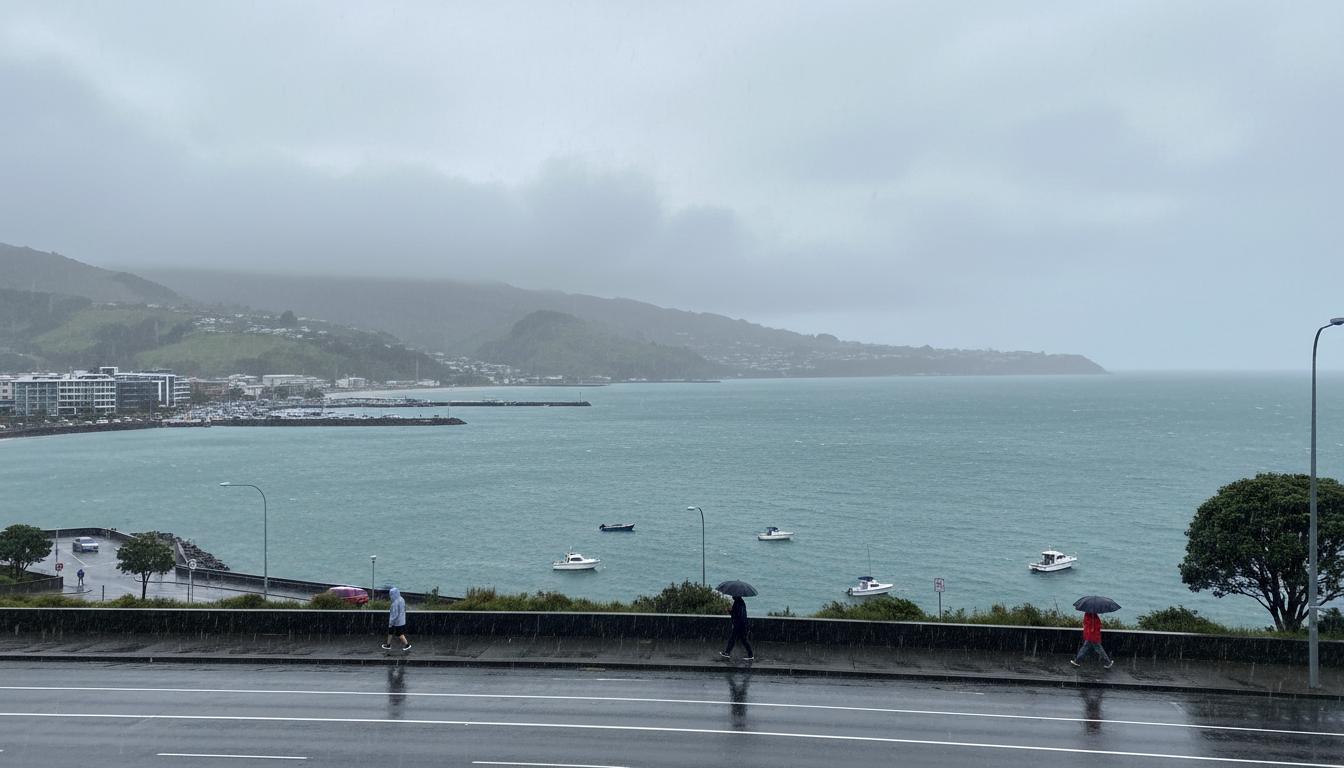
Porirua weather can change quickly. One moment it’s sunny by the harbour, the next a cold southerly brings gusts and showers. This guide explains the patterns that shape porirua weather, how local features affect conditions, common weather types, and practical tips for residents and visitors. Read on to learn how to dress, travel and plan around the forecast with confidence.
What is porirua weather
Porirua sits on the southern edge of the Cook Strait, just north of Wellington. That location gives it a temperate maritime climate: mild temperatures year round, frequent winds, and rain that comes in fronts rather than short, predictable dry spells.
Key features of porirua weather at a glance:
- Mild summers — usually comfortable rather than hot.
- Cool winters — cold nights, but heavy frosts and snow are rare in town.
- Windy — exposed to southerlies and strong northerly nor’west winds across Cook Strait.
- Rain spread through the year, with wetter months in the cooler season.
Seasonal overview
- Summer (Dec–Feb): Mostly mild, sea breezes common in afternoons.
- Autumn (Mar–May): Changeable weather with frontal passages and crisp mornings.
- Winter (Jun–Aug): Cooler, more frequent wind and rain; clear, cold nights between systems.
- Spring (Sep–Nov): Often the most variable season — sudden warm spells and rapid southerlies.
How it works
Understanding why porirua weather behaves as it does comes down to three things: the sea, the wind, and the hills.
The sea
The Cook Strait moderates temperatures. Water warms and cools more slowly than land, so coastal areas like Porirua avoid the extreme highs and lows seen inland.
The wind
Prevailing westerlies and frequent southerly or southerly-easterly winds from Cook Strait bring rapid changes. Nor’westers (warm, dry winds from the north-west) can produce sudden warm spells and strong gusts across Porirua.
The hills
Local hills shape rainfall and wind flow. Some suburbs sit in sheltered valleys while others face the open water and get stronger gusts and more spray. Orographic lift (air rising over hills) can increase rainfall on the windward slopes.
Types / examples
Here are common porirua weather scenarios you’ll see through the year, with what to expect and what to do.
- Calm sunny day: Morning fog may clear to a fine day. Ideal for harbour walks.
- Sea breeze day: Warm inland, cooling sea breeze in the afternoon — bring a light jacket for coastal spots.
- Changeable spring day: Quick showers between sunny spells — carry a compact umbrella.
- Southerly blast: Cold, gusty and often showery. Secure loose items and expect chilly temperatures.
- Nor’wester (Föhn-like): Warm, gusty and dry; can help clear the air but may be strong near exposed ridges.
Examples from local experience
- Morning commuter: cool, damp, with a brisk wind on exposed cycle paths.
- Harbour picnic: sunny midday, fresh sea breeze by afternoon — take windproof layers.
- Weekend hike on the southern hills: check wind forecasts; steeper ridges feel much colder and windier.
Pros and cons
Like any coastal city, porirua weather has advantages and drawbacks. Understanding both helps you make better choices for daily life and recreation.
Pros
- Mild winters and no extreme summer heat make outdoor living comfortable most of the year.
- Quick weather shifts mean short-lived rain spells rather than extended droughts.
- Scenic conditions — cloud formations and sea fog can be dramatic and beautiful.
Cons
- Frequent wind and gusts can affect commuting, gardening and outdoor events.
- Coastal exposure increases discomfort during southerly blasts.
- Changeable weather requires more planning — you can’t rely on long runs of settled weather.
How to use or choose
Use the forecast, local knowledge and a little planning to stay comfortable in porirua weather. Below is a practical step-by-step approach to planning a day.
- Check a reliable local forecast in the morning for wind direction, rain outlook and any severe-weather warnings.
- Match clothing to conditions: layers for changeable days; windproof outer layer for coastal exposure.
- Plan travel with wind and rain in mind: allow extra time for buses or ferries during windy periods.
- Choose outdoor locations wisely: pick sheltered parks or bays for picnics on windy days.
- Have a quick backup plan for outdoor events — move indoors or reschedule if southerlies or heavy rain are forecast.
Practical tips
- Keep a windproof jacket in your car or bag year-round.
- For gardening, plant wind-tolerant species on exposed sites and use shelter belts where possible.
- Drivers: be cautious on bridges and exposed sections during gusty nor’west or southerly winds.
How to choose where to live in Porirua based on weather
- Harbour-facing suburbs: milder winters but more wind and salt spray.
- Sheltered valleys: less wind, but cooler mornings and possible fog.
- Higher slopes: better views and quick sun, but stronger winds and colder nights.
| Feature | Porirua (coastal) | Wellington CBD | Kapiti Coast |
|---|---|---|---|
| Typical summer highs | Approx. 20–23°C | Approx. 19–22°C | Approx. 21–24°C |
| Typical winter lows | About 6–9°C | About 5–8°C | About 6–10°C |
| Windiness | Often windy; sheltered pockets | Very windy; exposed | Windy, especially on beaches |
| Rain tendency | Moderate, spread through year | Moderate, slightly drier in places | Can be drier but exposed to storms |
| Best time to visit | Late spring to early autumn | Late spring to early autumn | Summer for beaches |
FAQ
How quickly does porirua weather change?
Quite fast. Frontal systems moving through Cook Strait can produce noticeable shifts in a few hours. Check short-term forecasts and radar for sudden rain or wind changes.
Is porirua windy all the time?
No. Wind is frequent, but there are calm days, especially when high pressure sits over the region. Sheltered valleys and inner suburbs are much less exposed.
When is the wettest time of year?
Late autumn and winter tend to see more persistent rain and stronger fronts. However, Porirua gets showers across the year rather than one long wet season.
Does Porirua get snow?
Snow in town is rare. Hills near Porirua can see a dusting in cold winter outbreaks, but heavy snow at sea level seldom occurs.
How should I dress for a day in Porirua?
Layer up. A base layer, light mid layer, and a windproof/waterproof outer layer will handle most porirua weather. Pack a small umbrella for spring and autumn changeable days.
Where to find reliable local forecasts?
Use national meteorological services and local radio updates for warnings. Short-term radar and wind maps are especially useful before heading outdoors.
Porirua weather rewards a little attention: with a quick check of the forecast and the right clothing, you can enjoy the harbour, trails and beaches most of the year. Keep an eye on wind and fronts, choose sheltered spots on blustery days, and you’ll be ready for whatever the Cook Strait brings.