
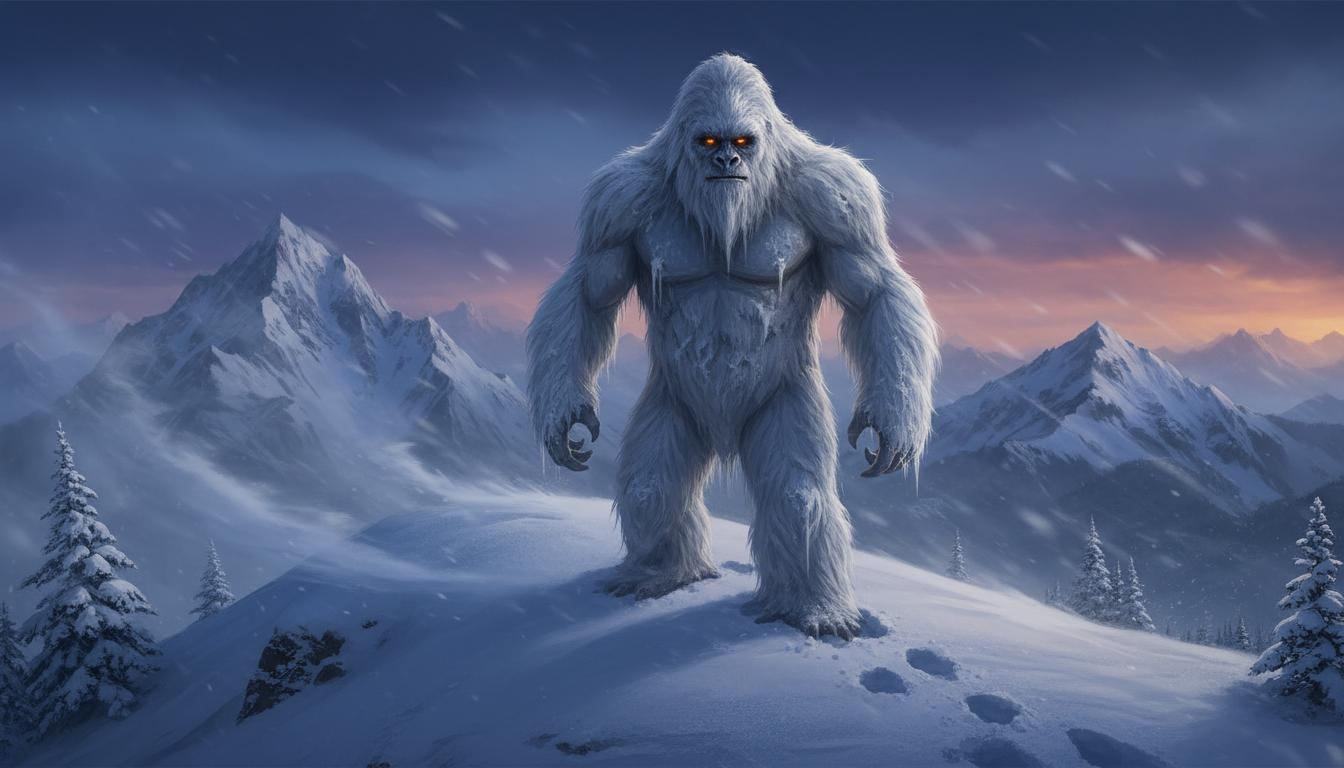
The word yeti does a lot of heavy lifting. It names a legendary Himalayan being, a deep-sea crab with shaggy arms, and a wildly popular brand of chilly bins and drinkware. No wonder people talk past each other. This guide untangles the meanings, sorts folklore from evidence, and gives practical tips for New Zealanders who love the outdoors, good yarns, and solid gear.
What is
In Himalayan folklore, the yeti is a powerful, elusive being said to roam high, snowy slopes. Sherpa and Tibetan traditions treat it seriously, often as a spirit of the mountains rather than a simple animal. Western climbers later dubbed it the “abominable snowman,” and the name stuck in headlines.
In biology, “yeti crab” refers to several species in the Kiwaidae family. They live around deep-sea hydrothermal vents and cold seeps, sporting hairy-looking bristles (setae) on their claws that host bacteria. They’re real, fascinating crustaceans—nowhere near alpine snowfields.
In retail, YETI is a US-based brand known for durable coolers, insulated bottles, and rugged outdoor accessories. In New Zealand terms: premium chilly bins and drinkware that handle knocks and long days in the sun.
Closer to home, Aotearoa has its own wild-man folklore, like the Moehau “monster” of the Coromandel ranges. It’s not a yeti, but the family resemblance in the storytelling is clear.
How it works
How the legend persists
High mountains are perfect for birthing legends. Weather changes in minutes. Distance plays tricks. Footprints distort as snow softens and refreezes, making small tracks look enormous. Stories travel faster than climbers, and a good tale gains details with every retelling.
In the Himalayas, tales about the yeti also carry respect for place. They warn of thin air, crevasses, and the need for humility. It’s less about monster hunting and more about moving through sacred, dangerous country with care.
How science tests “yeti” evidence
- Footprints: Famous photos like Eric Shipton’s 1951 print turned heads. Later analyses pointed to bear prints distorted by melt and overlap.
- Relics: Monastery “scalps” and the Pangboche “hand” drew crowds. Samples that were tested turned out to be from common animals or human bone.
- DNA: A 2017 genetic study of hair and bone attributed to the yeti found they belonged mainly to Himalayan brown and black bears, plus one dog. That doesn’t close the book on folklore, but it does put alleged biological evidence in familiar territory.
How the yeti crab survives
At vents thousands of metres down, yeti crabs farm bacteria on their hairy claws, waving them in mineral-rich water like undersea gardeners. They scrape the microbes for food and huddle in warm, chemical plumes that would wreck most life. It’s a tidy example of life thriving where sunlight never reaches.
How YETI gear keeps things cold or hot
- Vacuum insulation: Two steel walls with a vacuum in between slash heat transfer.
- Gaskets and latches: Tight seals keep cold air in and warm air out.
- Thick foam: Hard coolers use dense insulation to slow warming over days, not hours.
In Kiwi terms, a good YETI chilly bin is built like a polycraft kayak—overkill for a quick picnic, brilliant for multi-day missions.
Types / examples
Folklore and cryptids
- Yeti (Himalayas): Snow-country being from Sherpa and Tibetan traditions.
- Bigfoot/Sasquatch (North America): Forest-dwelling giant in modern lore.
- Moehau “monster” (Aotearoa NZ): Local wild-man stories from the Coromandel.
Real creatures with “yeti” in the name
- Yeti crabs (Kiwaidae): Deep-sea crustaceans around vents and seeps in the Pacific and Southern Ocean.
Gear
- YETI hard coolers (chilly bins): Roto-moulded, heavily insulated, very durable.
- YETI soft coolers: Lighter, portable, good for day trips and short overnighters.
- YETI drinkware: Insulated bottles, mugs, and tumblers for hot and cold.
Quick comparison
| Meaning | Domain | Habitat/Use | Evidence status | NZ relevance |
|---|---|---|---|---|
| Yeti (Himalayan being) | Folklore | High Himalayas | Legend; physical claims tested as misidentifications | Cultural interest; parallels with local stories |
| Bigfoot/Sasquatch | Folklore | North American forests | Unverified; no confirmed biological evidence | Pop culture only |
| Moehau “monster” | Folklore | Coromandel Ranges (stories) | Local legend | Part of NZ storytelling |
| Yeti crab | Biology | Deep-sea vents/seeps | Confirmed species | South Pacific and Southern Ocean populations; not a coastal species |
| YETI gear | Outdoor equipment | Camping, boating, hunting, tramping | Commercial products | Sold in NZ via retailers |
Pros and cons
Engaging with the yeti legend
- Pros: Connects you to Himalayan culture; great storytelling; sparks interest in mountain ecology and safety.
- Cons: Hoaxes waste time; chasing “proof” can disrespect local beliefs and disturb wildlife.
Buying YETI gear
- Pros: Extremely durable; strong insulation; good seals; wide accessory ecosystem.
- Cons: Pricey; heavier than many alternatives; sometimes more capacity than you need.
Yeti crab fascination
- Pros: Teaches chemosynthesis and deep-sea adaptation; pure science wonder.
- Cons: Hard to see in person; research expeditions only.
How to use or choose
How to evaluate a “yeti” claim responsibly
- Write down the basics: location, date, weather, altitude, who was present.
- Photograph tracks with a scale (a tramping map, boot, or ruler) and multiple angles.
- Look for ordinary causes first: bear in the Himalayas; in NZ, red deer, feral goats, or overlapping prints.
- Avoid collecting hair or bones without permission; in New Zealand, follow DOC and iwi protocols.
- If you have a sample with clear provenance, contact a qualified lab; DNA can settle many debates.
- Share respectfully. Separate personal experience from claims of scientific proof.
How to choose a YETI chilly bin or bottle for NZ conditions
- Match capacity to the mission:
- Day trips and surf checks: small soft cooler or 10–20 L hard cooler.
- Weekend camping or boat missions: 25–45 L.
- Multi-day hunts or offshore fishing: 65 L and up.
- Weigh carry vs. insulation: soft coolers are lighter; hard coolers hold cold longer.
- Check fit-out: drain plug position for the ute tray, tie-down points for boats, and non-slip feet.
- Consider ice strategy: pre-chill, use block ice with some cubes, and pack air gaps tight.
- For drinkware, choose lids that suit you: straw for driving, hot-shot cap for coffee, chug cap for the gym.
- Compare total cost: premium gear lasts, but if you mostly do picnics, a mid-range chilly bin may be smarter.
Safety and respect in wild places
- In the Himalayas: hire reputable local guides; respect monasteries and local customs; altitude safety first.
- In Aotearoa: check weather and avalanche advisories, log intentions, and follow DOC guidance.
FAQ
Is the yeti real?
As a cultural figure, yes—the yeti is real in Himalayan tradition. As a biological animal like an undiscovered ape, there’s no verified evidence. DNA-tested “yeti” samples have matched known species, mainly bears.
Where did the “abominable snowman” name come from?
Early 20th-century reporting and translation quirks turned local terms for a wild being into the catchy phrase we know today.
What about those giant footprints?
Snow distorts tracks. Bears walking in their own prints and melting edges can create something that looks eerily human and huge.
Are there yetis in New Zealand?
No. We have our own legends, like the Moehau stories, but no evidence for a yeti or ape-like creature in Aotearoa.
What is a yeti crab, exactly?
A deep-sea crustacean that farms bacteria on hairy claws near hydrothermal vents. It’s a real animal, unrelated to the Himalayan legend.
Are YETI coolers worth it?
If you need long hold times and serious durability—for boating, hunting, or remote camping—they can be. For casual picnics, a lighter, cheaper chilly bin may be enough.
Can I see a yeti crab at an aquarium?
Unlikely. They live in extreme deep-sea environments that are difficult to replicate. Most of us meet them through documentaries and research papers.
How can I talk about the yeti respectfully?
Acknowledge the cultural roots, avoid treating sacred stories as trophies, and separate legend from science without mocking either.
Final thoughts
The yeti is a tangle of meanings: a mountain spirit, a deep-sea oddity, and a logo on a chilly bin at the beach. Knowing which yeti you’re talking about keeps the conversation honest. Respect the stories, trust the science, and choose gear that fits the way Kiwis actually live outdoors. That way, the myth stays magical—and your ice stays frozen.