
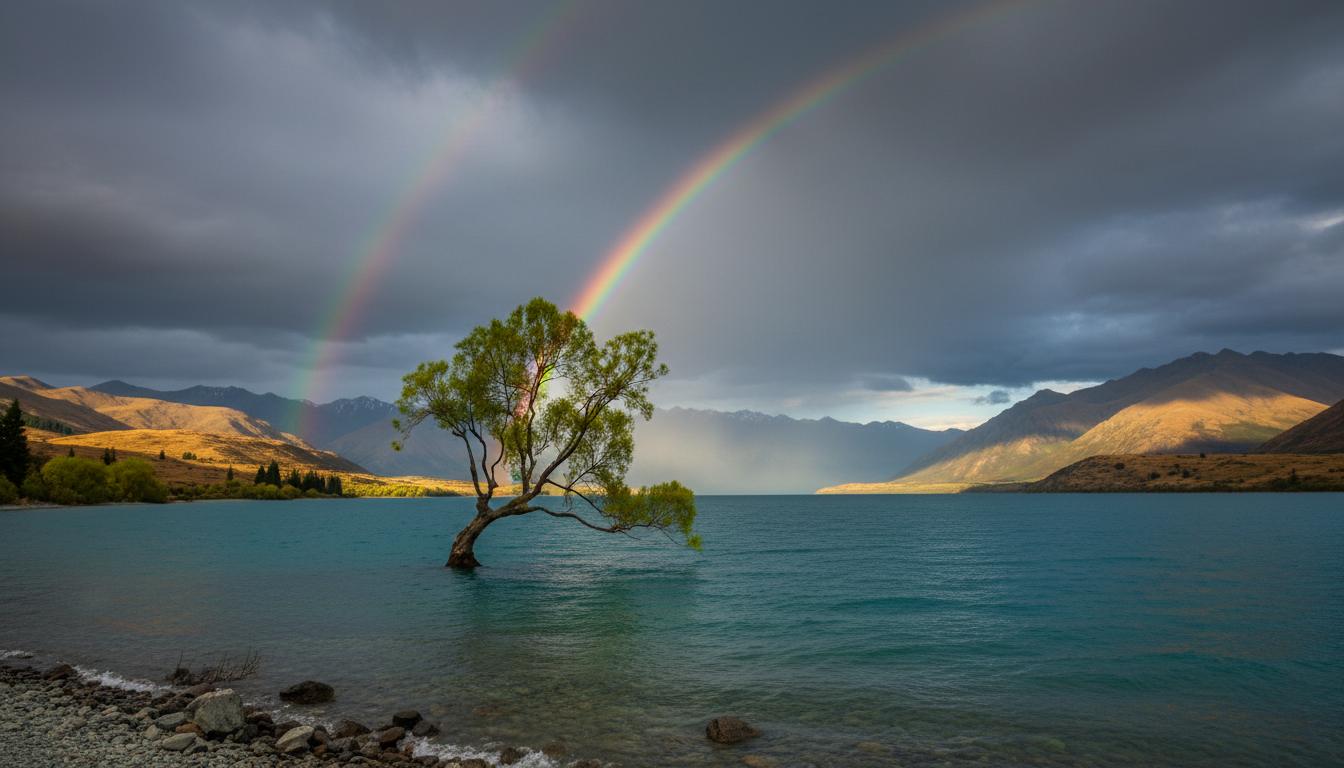
Wanaka weather keeps locals on their toes and visitors smiling—most of the time. Four honest seasons, big-sky sunshine, and a lake that steadying the heat and cold all shape the feel of a day here. This guide breaks down the patterns, explains why Wanaka can swing from frosty dawns to warm, still afternoons, and shows you how to plan better—whether you’re chasing autumn colours, bluebird ski days, or a calm morning paddle on the lake.
What is
What “Wanaka weather” actually means
Wanaka sits on the eastern side of the Southern Alps in Otago, around 300 metres above sea level on the shore of Lake Wānaka. The mountains block much of the West Coast rain, so Wanaka is drier and sunnier than alpine passes and coastal towns, but cooler than coastal South Island spots in winter. Expect crisp air, bright light, and big daily temperature swings in the colder months.
- Climate type: Inland, alpine-influenced with four distinct seasons
- Typical summer highs: 20–28°C (hot nor’westers can push into the low 30s)
- Typical winter highs: 5–10°C; frosty mornings often below zero
- Annual rainfall: roughly 600–800 mm, far less than the West Coast
- Sunshine: around 2,000+ hours a year
- Snow: common on surrounding hills and ski fields; in-town snow is occasional
In short: Wanaka weather is sunny and dry compared with the western side of the Alps, calmly settled in autumn, and properly cold in winter—ideal for skiing and those blue, clear days locals brag about.
How it works
Mountains, wind, and why the air feels so clear
To understand Wanaka weather, start with the Southern Alps. They squeeze moisture from incoming fronts. What’s left slides down into Central Otago as drier, warmer air.
Rain shadow and the nor’wester (foehn effect)
- When a strong nor’wester hits the Alps, the West Coast soaks, while Wanaka often basks in warm, dry, gusty air.
- That foehn effect can spike temperatures quickly—great for a lake swim, not so great for fire risk.
Southerly changes
- Southerlies bring colder air up from the Southern Ocean.
- In Wanaka, a southerly front can swing a warm afternoon into a sharp chill in hours, with snow on the ranges and a raw breeze in town.
Lake and basin effects
- Lake Wānaka moderates heat and cold near the shore. Afternoons pick up a gentle lake breeze on fair days.
- In winter, clear nights set up temperature inversions: cold air pools in the basin, bringing heavy frost or morning fog that lifts to bright sun.
Seasonal climate drivers
- El Niño years often mean stronger westerlies. East of the Alps, Wanaka tends to be drier, windier, and can feel warm under foehn winds.
- La Niña years favour more easterly and northerly flows, bringing occasional cloudier or more humid spells than usual for Wanaka.
Types / examples
Season-by-season: what it feels like
| Season | Typical daytime high | Typical night low | Rainfall tendency | What it feels like | Trip tips |
|---|---|---|---|---|---|
| Summer (Dec–Feb) | 20–28°C | 8–12°C | Light to moderate; occasional afternoon thunderstorms | Warm, often dry air; strong UV; lake breeze most afternoons | Sun protection is non‑negotiable; plan hikes early or late |
| Autumn (Mar–May) | 12–22°C | 2–8°C | Usually settled and dry | Crisp mornings, calm golden afternoons, clear views | Layer up; peak colour generally mid‑April to early May |
| Winter (Jun–Aug) | 5–10°C | -5–0°C | Low overall; frequent frosts | Bluebird days after frosty starts; inversion fog at times | Watch for black ice on roads; brilliant for skiing |
| Spring (Sep–Nov) | 12–20°C | 2–8°C | Changeable; windier with passing fronts | Four seasons in a day—blossom, showers, sun, and wind | Carry a windproof layer; trails can be muddy |
Common Wanaka weather days
- Frost then sun: -3°C at dawn, cars glazed, then 12–14°C and still by afternoon.
- Nor’wester surge: gusty, bone-dry 28–30°C, crystal views to the peaks, choppy lake.
- Southerly flick: mild morning, front at lunch, temperature slides, snow dust on the Crown Range.
- Afternoon convection: hot, calm morning; towering clouds by 3 pm; a quick thunderburst; golden light at sunset.
Microclimate quirks around the basin
- Albert Town and the Clutha River corridor: slightly cooler at dawn; breezier in the afternoons.
- Glendhu Bay: sheltered pockets out of the wind, good for a calmer swim when the main beach chops up.
- Lake Hāwea: often a touch windier than Wanaka with similar temperatures.
- Cardrona Valley: colder nights and more frequent snow in winter compared with the lakefront.
Pros and cons
Why people love Wanaka weather—and what to watch for
- Pros
- High sunshine hours and clear air make for big views and great photos.
- Autumn is famously settled and stunning.
- Low humidity most of the year; heat feels manageable in the shade.
- Four distinct seasons suit skiing, biking, hiking, and vineyard days.
- Cons
- Winter mornings can be very cold with black ice on shaded roads.
- Nor’westers kick up strong, gusty winds and increase fire danger.
- UV is intense in summer; sunburn happens fast.
- Spring is changeable—great if you like variety, less so for tight itineraries.
How to use or choose
Plan your trip or week around Wanaka weather
- Pick your season by goal.
- Skiing: July–August for colder temps and settled high‑pressure spells.
- Hiking and biking: late summer to autumn for steady trails and calm air.
- Lakeside chill time: January–March for warm water and long evenings.
- Check multiple forecasts. Use nationwide services and mountain-specific forecasts for Treble Cone and Cardrona. Compare today, tomorrow, and the 3–5 day trend.
- Read the wind. A strong nor’wester means choppy lake conditions—book morning boat trips or swap for a sheltered bay.
- Time your day. Start hikes early in summer heat. In winter, let frost lift before driving shaded roads or riding.
- Pack layers. Even in summer, carry a light windproof; in winter, add thermal base layers, hat, and gloves.
- Plan a backup. Museum, winery, or a forest trail in a southerly. On bluebird days, go high—Roys Peak or a ski field.
- Respect UV. Sunscreen, sunnies, and a brimmed hat. Reapply—especially on water and snow.
- Watch conditions, not just temperature. Thunderstorm risk? Avoid exposed ridgelines. Strong winds? Skip paddleboards.
- Drive for winter. Carry chains when required for alpine passes; treat shaded corners with caution all day.
Quick comparison: Wanaka vs nearby climates
| Location | Rainfall | Summer feel | Winter feel | Notes |
|---|---|---|---|---|
| Wanaka | Low to moderate (≈600–800 mm) | Warm, dry air; strong UV; afternoon lake breeze | Cold, frosty starts; bluebird highs; occasional fog | Classic inland, leeward climate |
| Queenstown | Moderate (higher than Wanaka) | Similar warmth; slightly more showers | Cold with frosts; shaded suburbs stay icy longer | More valley shade in winter |
| Haast (West Coast) | Very high | Milder, humid, frequent rain | Cool, wet, and windy with fewer frosts | Windward side of the Alps |
FAQ
What is Wanaka weather like in summer?
Warm days (20–28°C) with low humidity and a reliable afternoon lake breeze. UV is fierce, so hats and sunscreen are essential. Thunderstorms can pop up after hot, still mornings.
Does it snow in Wanaka town?
Yes, but not often. Light falls may settle once or twice in some winters. Surrounding hills and the ski fields receive regular snow.
When is the best time for hiking?
Late summer through autumn (February to May) offers settled Wanaka weather, clearer air, and fewer storms. Start early on hot days and carry a windproof layer.
When is the best time for skiing?
July and August usually deliver the coldest, most reliable winter conditions. Watch for high‑pressure spells for bluebird days after snowfall.
Is Wanaka windy?
It depends on the pattern. Calm, glassy mornings are common. Nor’westers bring gusty, dry wind; spring is the windiest season. Sheltered bays often stay manageable when the main lake chops up.
How cold is Lake Wānaka?
Summer surface temperatures typically sit in the mid‑teens to high‑teens °C, warming in sheltered shallows on hot days. In winter it’s much colder; use proper gear for long swims.
What should I pack?
- Year‑round: sunscreen, sunglasses, hat, and a windproof layer
- Summer: light clothing, swimwear, sturdy trail shoes, extra water
- Winter: thermals, insulated jacket, beanie, gloves, and traction‑friendly footwear
Are there sandflies?
Fewer than the West Coast, but you may notice them near water at dusk on warm, still days. Cover up or use repellent if they find you.
Why does it feel so much colder in the morning than the forecast suggested?
Temperature inversions trap cold air near the ground on clear, calm nights. Expect heavy frost at dawn that melts into a mild afternoon once the sun does its work.
How quickly can Wanaka weather change?
Faster than you think. A nor’wester can turn to a sharp southerly within hours. Always check the latest forecast and carry a spare layer, even on a blue morning.
Final take
Wanaka weather is a gift if you work with it. Read the wind, chase the morning calm, carry layers, and keep an eye on fronts streaming over the Alps. Do that, and you’ll get the best of this place—golden autumn light, crisp winter bluebirds, and long summer evenings by the lake.