
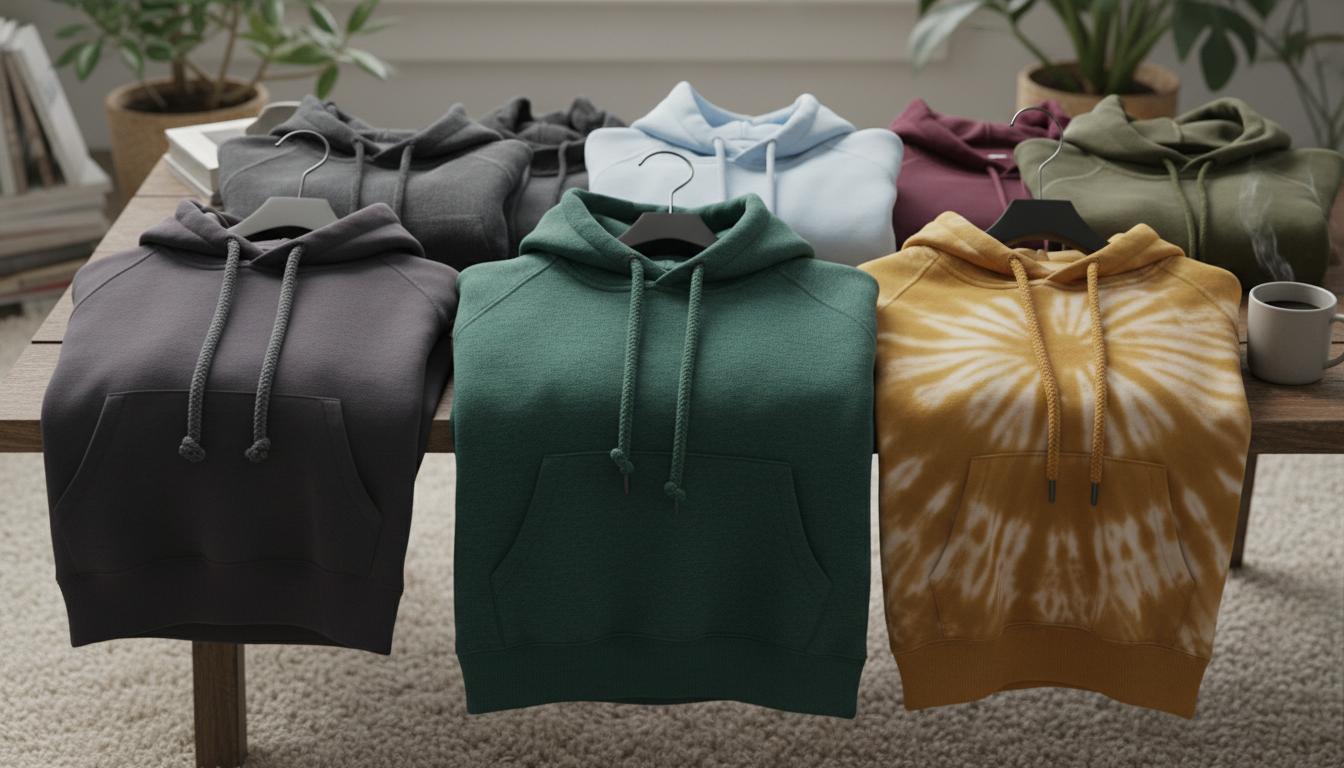
New Zealand weather turns on a dime. A sunny morning can fold into a breezy, wet evening before you’ve finished your flat white. That’s why hoodies sit at the front of Kiwi wardrobes—they’re easy, warm, and endlessly useful. This guide shows you what a hoodie is, how it keeps you comfortable, the main types, and how to choose the right one for life in Aotearoa. You’ll also get care tips and quick answers to common questions.
What is
A hoodie is a long-sleeved top with a hood, usually made from cotton, fleece, wool, or technical blends. Most hoodies have a kangaroo pocket or zipped pockets, ribbed cuffs, and a drawcord to adjust the hood. They come as pullovers or zip-up styles and range from lightweight layers to thick winter gear.
In New Zealand, hoodies bridge casual streetwear and practical outerwear. You’ll see them on school runs, tramping tracks, work sites (often hi-vis), and at the footy on a cold night.
How it works
Fabric and insulation
Hoodies trap warm air close to your skin. Thicker knits and brushed fleece hold more air, which improves insulation. Materials behave differently:
- Cotton feels soft but holds water, so it dries slowly.
- Polyester fleece is light, warm, and quick to dry.
- Merino wool regulates temperature and resists odour.
- Softshell and bonded knits block wind better than standard fleece.
Moisture and breathability
Breathable fabrics move sweat away from your body so you don’t feel clammy. Merino and performance blends wick moisture, which matters on steep Wellington hills or during a lunchtime run in Auckland humidity.
Hood and fit
The hood shields ears and neck from wind and drizzle. A snug opening and a firm brim or panel reduce flapping on gusty days. The overall fit controls airflow: a relaxed hoodie traps more warm air for lounging; a closer fit layers cleanly under a rain shell for tramping in Fiordland or biking in Christchurch.
Hardware and features
- Zip closures add ventilation and easy on-off when weather swings.
- Ribbed cuffs and hems seal in heat.
- Pockets warm hands and stash keys or a snapper card; zip pockets keep phones secure.
- DWR (durable water repellent) finishes help beads of rain roll off for brief showers.
Types / examples
By construction
- Pullover hoodie: Clean look, fewer drafts, classic streetwear.
- Zip-up hoodie: Versatile for layering and quick heat control on changeable days.
- Quarter-zip or half-zip: Extra venting without a full zip front.
By fabric
- Cotton hoodie: Soft and breathable for mild days or indoor wear.
- Polyester fleece hoodie: Lightweight warmth; great for early-morning commutes.
- Merino hoodie: Temperature-regulating and low odour; ideal for travel and hiking.
- Recycled-blend hoodie: Lower environmental impact with similar performance.
- Softshell hoodie: Better wind resistance and light rain protection for Wellington gusts.
By purpose
- Active hoodie: Stretch knits, thumb loops, and sweat-wicking for runs around Hagley Park.
- Work hoodie: Durable face fabric, reinforced seams, and often hi-vis for job sites.
- Lifestyle hoodie: Oversized fits, graphics, or cropped cuts for casual wear.
- Travel hoodie: Merino or quick-dry blends with hidden pockets for long-haul flights.
Real-world examples in NZ settings
- Beach evenings in Northland: Lightweight cotton or merino hoodie over a tee.
- Wellington wind tunnel: Softshell or fleece hoodie under a rain shell.
- Queenstown winter: Heavy fleece or insulated hoodie as a mid-layer.
- School sport sidelines: Zip-up fleece hoodie for quick on-off warmth.
- Weekend tramps: Merino hoodie for warmth that won’t stink by day three.
Pros and cons
Pros
- Versatile: Works as a standalone layer or mid-layer.
- Practical: Built-in hood and pockets reduce what you need to carry.
- Comfortable: Soft fabrics, forgiving fits.
- Weather-ready: Blocks light wind and minor drizzle; easy to combine with a shell.
- Style range: From clean minimalist to bold streetwear.
Cons
- Not fully weatherproof: Heavy rain and strong wind need a proper shell.
- Wet weight: Cotton hoodies get heavy and cold when soaked.
- Dress codes: Not always right for formal or strict business settings.
- Peripheral vision: Big hoods can block side views on bikes.
How to use or choose
Step-by-step: Choose the right hoodie for NZ conditions
- Match the climate: For “four seasons in one day,” pick a zip-up hoodie for fast venting. For settled cold, choose a thicker fleece or merino.
- Pick the fabric:
- Merino for odour control and changeable temps.
- Poly fleece for light, reliable warmth.
- Cotton for casual, dry days.
- Softshell for wind and light showers.
- Check the fit: You should move freely with a tee and a light layer underneath. Sleeves should cover the wrist when arms extend.
- Assess features: Need zip pockets for cycling? Thumb loops for runs? A drawcord hood for gusts?
- Plan for layering: If you wear a rain jacket on top, avoid bulky, oversized hoodies that bunch.
- Think care and lifespan: Merino needs gentle washing; hard-wearing work hoodies should have reinforced seams.
- Consider sustainability: Look for recycled fabrics, RWS-certified wool, or Bluesign/OEKO-TEX labels.
- Try before you buy: Move your shoulders, sit, and reach forward. Nothing should pull tight or ride up.
Hoodie materials compared for New Zealand
| Material | Warmth-to-Weight | Breathability | Drying Speed | Odour Control | Best Use in NZ |
|---|---|---|---|---|---|
| 100% Cotton | Medium | Medium | Slow | Low | Casual wear, dry days, indoor comfort |
| Polyester Fleece | High | Medium | Fast | Low | Daily warmth, commuting, sport sidelines |
| Merino Wool | High | High | Medium | High | Travel, tramping, variable weather |
| Recycled Blends | Medium–High | Medium | Medium–Fast | Low–Medium | Everyday wear with lower impact |
| Softshell/Bonded Knit | High | Medium | Fast | Low | Windy cities, coastal walks, light drizzle |
Fit and sizing tips for Kiwis
- NZ sizing usually aligns with AU/UK standards, but check each brand’s chart.
- For layering, consider one size up if you wear a puffer or rain shell over your hoodie in winter.
- Shoulder seams should sit on the shoulder edge; sleeves should not pull when you reach forward.
- Zip-up hoodies feel roomier; pullovers can run tighter across the chest.
Zip-up vs pullover
| Type | Best For | Layering | Ventilation | Convenience |
|---|---|---|---|---|
| Pullover Hoodie | Warmth and simplicity | Clean mid-layer under shells | Moderate | Less convenient to remove |
| Zip-up Hoodie | Changeable days, commuting | Easy on/off over tees | High | Very convenient |
| Quarter/Half-Zip | Active use with extra venting | Good under shells | High at chest | Quick temperature control |
Care: Make your hoodie last
- Read the label: Merino and technical blends often need a gentle cycle.
- Wash cold: 20–30°C protects fibres and reduces energy use.
- Turn inside out: Reduces pilling and protects prints.
- Use mild detergent: Avoid fabric softener on technical fabrics—it can block wicking.
- Air dry flat: Tumble drying can shrink cotton and stress seams.
- Refresh between washes: Airing merino is often enough to remove odour.
FAQ
What hoodie fabric is best for New Zealand’s changeable weather?
Merino or a breathable performance blend works best. They regulate temperature, manage sweat, and stay comfortable across cool mornings and mild afternoons. Pair with a rain shell when showers roll in.
Are hoodies good for hiking and tramping?
Yes, especially merino or light fleece hoodies as mid-layers. Avoid heavy cotton for multi-day trips because it dries slowly. Always carry a windproof, waterproof outer layer.
Should I pick a pullover or a zip-up hoodie?
Choose a zip-up if you want quick venting on trains, buses, or hills. Pullover hoodies are warmer with fewer drafts and suit simple, clean looks. Both work—match the style to your routine.
Can hoodies be smart-casual in NZ?
In many relaxed workplaces, yes. Opt for a plain, well-fitted hoodie in dark or neutral colours and pair it with chinos or clean denim. If the dress code is strict business, leave it for the commute.
What size hoodie should I buy?
Use the brand’s size chart and think about layering. For a trim streetwear look, choose true to size. For winter layering over shirts or under a shell, consider one size up. Check sleeve length and shoulder fit.
How do I stop my hoodie from shrinking or pilling?
Wash cold, avoid overloading the machine, skip fabric softener for technical fabrics, and air dry. Turning the hoodie inside out also helps reduce friction during washing.
Which hood design is best for wind?
A structured hood with a smaller opening and a firm drawcord stays put in gusts. Softshell or bonded-knit hoods resist wind better than loose cotton hoods.
Are there sustainable hoodie options in New Zealand?
Yes. Look for recycled polyester, certified merino, organic cotton, and verified supply chain standards. Many NZ and Australasian retailers now label sustainability features clearly online.
Can I run in a hoodie?
Absolutely—pick a light, wicking hoodie with stretch, thumb loops, and reflective details. Zip styles help dump heat on climbs and close up on windy flats.
Final pointers for Kiwis buying hoodies
- Think layers: Hoodie plus shell beats one heavy layer in unpredictable weather.
- Mind the wind: If you live in Wellington or coastal towns, a softshell or tight-knit fleece pays off.
- Choose purpose-built: Active features for sport, durable fabrics for work, merino for travel.
- Buy once, buy well: A quality hoodie with the right fabric and fit will see you through many winters.
Hoodies earn their place because they simply work—on the ferry, on the farm, and everywhere in between. Pick the right fabric and fit for your day, and you’ll stay comfortable no matter what the forecast decides.