
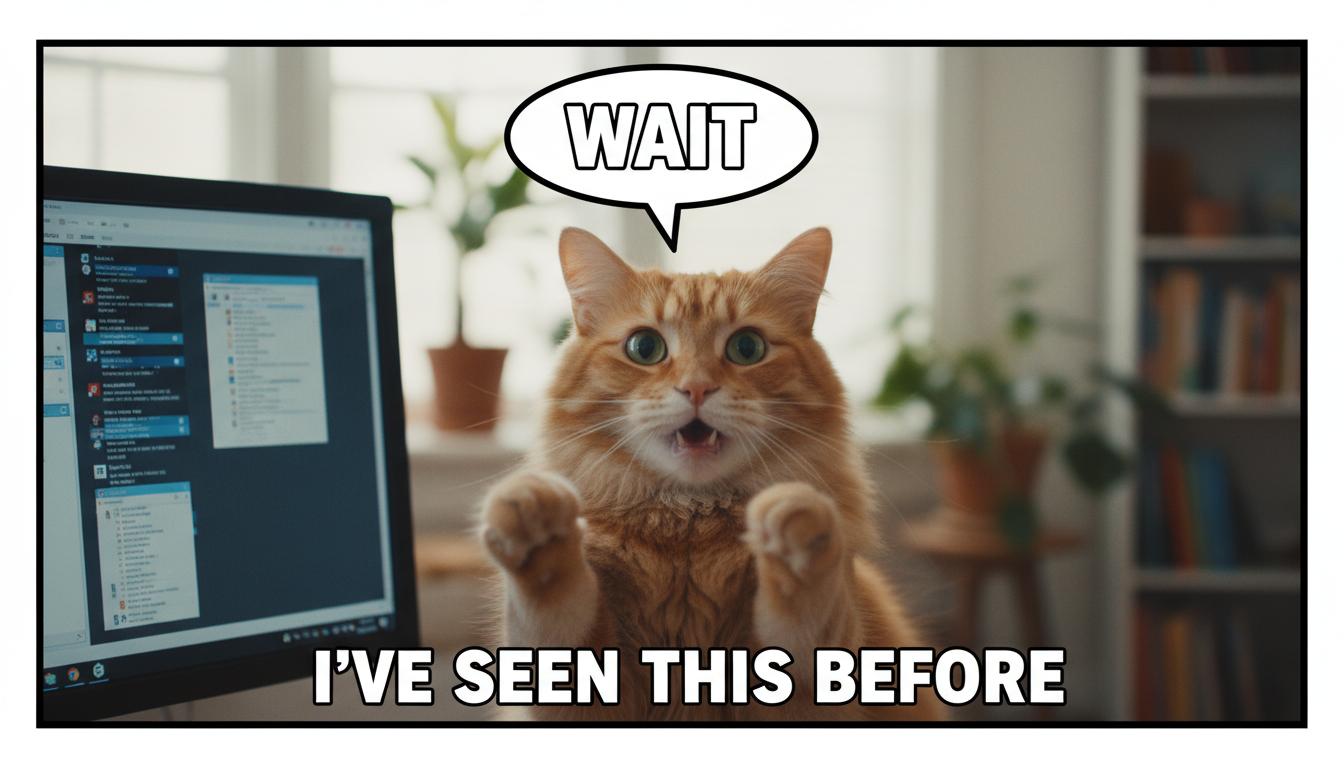
Memes are everywhere — on your phone, in group chats, and on social feeds. This article explains what memes are, how they spread, the main types you’ll see in New Zealand, and practical advice for creating, sharing, and choosing memes without causing trouble.
What is
A meme is a piece of media — usually an image, short video, or phrase — that spreads quickly online and changes as people remix it. Memes often rely on humour, irony or a shared cultural reference. They work because people recognise the format and add their own twist.
In everyday terms: a meme is a portable idea. It travels fast and gets adapted to local contexts, including Kiwi life, sports, politics and slang.
How it works
Memes spread through social networks and messaging apps. They depend on quick recognition and easy ways for people to copy and edit them. Below is a simple, featured-snippet style answer you can cite:
A meme is created, shared on platforms like TikTok or WhatsApp, picked up by users who edit or repost it, and then either fades or becomes a lasting internet joke.
Key mechanics
- Template recognition: People recognise a familiar image or sound.
- Remixability: The template is easy to edit or caption.
- Social amplification: Influencers, friends, or groups re-share it.
- Cultural fit: The meme connects with local feelings or events.
Step-by-step spread (quick view)
- Idea or image is posted.
- Early adopters remix it with new text or context.
- Shareable versions reach broader audiences.
- Mainstream users and groups adopt it; variations multiply.
- The meme peaks, then either evolves or fades away.
Types / examples
Memes come in many shapes. Below are common formats and Kiwi-relevant examples.
Common formats
- Image macros — picture with bold caption.
- Reaction images — small images expressing a feeling (laughing, facepalm).
- Short videos and loops — TikTok clips, Vine-style jokes.
- Text threads — punchlines that spread by copy-paste.
- Sticker and GIF memes — used in messaging apps like WhatsApp and Messenger.
Examples Kiwis will recognise
- Sporting gags around the All Blacks or rugby rivals.
- Local slang memes using te reo Māori words or Kiwi humour.
- Weather or commute jokes — rāhine showers and traffic puns.
- Political memes during elections or local council debates.
Pros and cons
Memes are powerful cultural tools. They can unify, entertain, and spread information quickly. They also carry risks. Here are the main benefits and drawbacks.
Pros
- Fast communication — conveys ideas quickly.
- High engagement — people like, share, and comment.
- Cost-effective — anyone can create and share a meme.
- Local relevance — memes can highlight Kiwi identity and humour.
Cons
- Misinformation — false claims can spread under a humorous guise.
- Cultural insensitivity — jokes can offend, especially when using stereotypes.
- Copyright and privacy issues — using others’ images without permission.
- Short lifespan — memes can be forgettable or quickly outdated.
How to use or choose
Using or choosing memes well means matching format to platform, audience, and purpose. Below are practical steps and a comparison table to help you decide where to post.
Where to post: platform comparison
| Platform | Best format | Audience | Why use |
|---|---|---|---|
| TikTok | Short vertical videos, audio memes | Young, trend-focused | High virality; ideal for timely, visual humour |
| Image macros, Reels | All ages; creatives | Visual polish and stories for short-lived memes | |
| Twitter / X | Short text, images, GIFs | News-savvy, conversational | Good for political or topical memes |
| Images, videos, groups | Older demographics, community groups | Useful for local community sharing and long-form jokes | |
| WhatsApp / iMessage | Stickers, GIFs, short clips | Close friends and family | Private spread; great for in-jokes |
| Images, discussion threads | Niche communities | Memes find long tails in specific subreddits |
Step-by-step: create a simple meme (7 steps)
- Pick a clear idea: a feeling, situation, or local event.
- Choose a template: a photo, screenshot or sound people will recognise.
- Add concise text: one or two short lines that change context or punchline.
- Respect copyright: use public domain images or your own photos.
- Test with a small group: send it to a friend or a local WhatsApp group.
- Post on the best platform for your audience (see table above).
- Monitor feedback and adapt: follow comments and respond if needed.
Practical tips for Kiwis
- Use simple New Zealand references—place names, food, or sport—to make memes local.
- Avoid stereotyping; aim for playful, not hurtful humour.
- If you’re a business, test memes in small batches before going public.
- Keep accessibility in mind: add captions for short videos and descriptive text for images.
FAQ
Are memes legal in New Zealand?
Most memes are legal if you don’t infringe copyright or defame someone. Using someone else’s photo without permission can cause legal issues. For businesses, seek permission or use licensed content.
Can memes spread false information?
Yes. Memes can simplify complex ideas and make false claims seem believable. Always check facts before sharing, especially around elections or public health topics.
How do I make a meme that goes viral?
There’s no guaranteed formula. Focus on timely relevance, humour, and a format that people can easily remix. Post where your audience already engages with memes.
Do memes have cultural value?
Yes. Memes can capture shared experiences, highlight social issues, and solidify cultural references. In New Zealand, they can reinforce local identity and local pride when done respectfully.
Where can I find meme templates?
Use free meme generators, template pages, or create your own images and short clips. Communities on Reddit and Instagram often share trending templates.
Final notes
Memes are a modern form of storytelling. They can entertain, persuade, and build community when used thoughtfully. For New Zealanders, memes offer a way to package local humour and shared moments into content that travels fast and often sparks conversation.
Keep things simple. Respect others. And if in doubt, test a meme with a small group before you unleash it on a wider audience.