
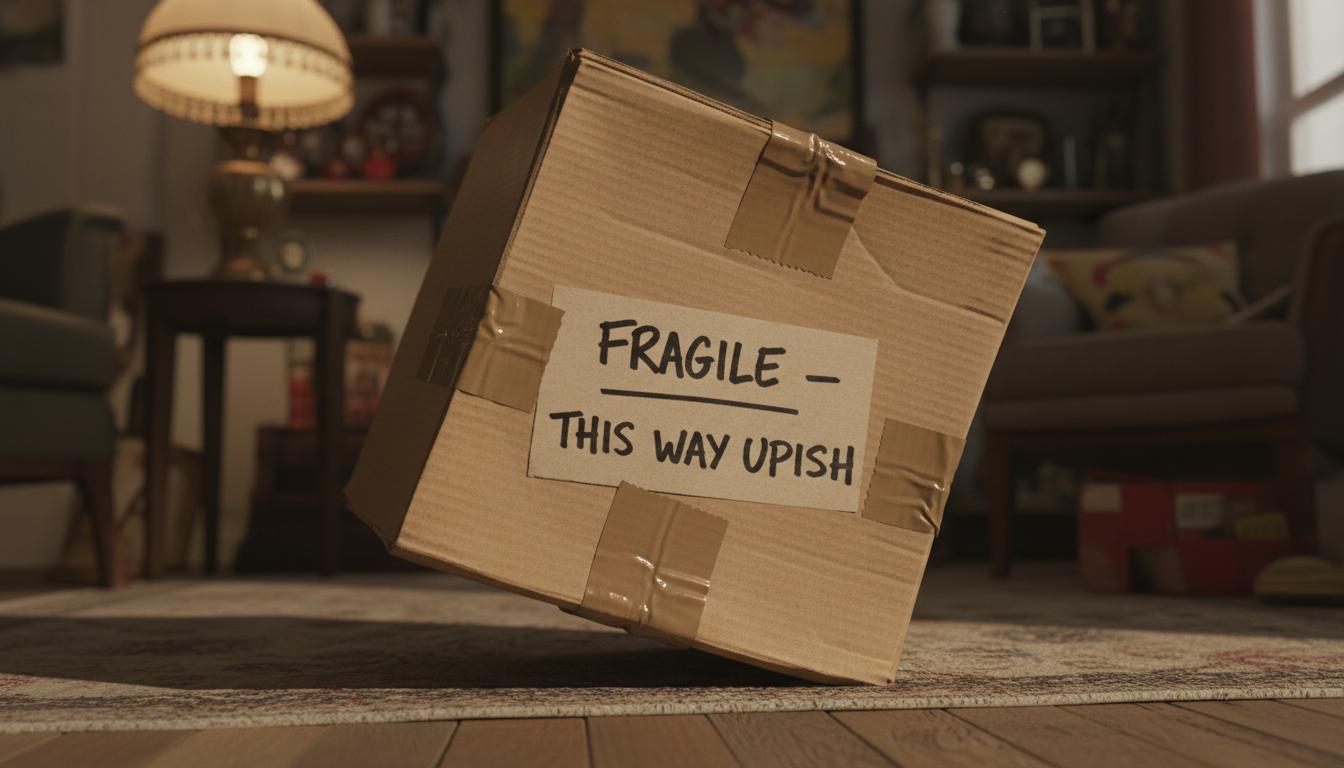
A wonky box gives you farm-fresh fruit and veg that supermarkets reject for looks, not taste. Think curved carrots, small kūmara, or oversized courgettes—perfectly good kai that would otherwise go to waste. For many New Zealanders, it’s a simple way to save money, eat seasonally, and back local growers.
Below you’ll learn what a wonky box is, how the model works, the types on offer in Aotearoa, plus the real pros and cons. You’ll also get tips on choosing a provider and using your box with zero stress and minimal waste.
What is
A wonky box is a subscription or one-off box of imperfect or surplus fruit and vegetables, collected directly from growers and packhouses and delivered to your door. The produce may be misshapen, unusually sized, or simply oversupply—but it’s fresh, safe, and great to eat.
- Imperfect shape or size, not inferior quality
- Seasonal mix based on what farms have in abundance
- Usually cheaper than standard supermarket-grade produce
- A practical way to reduce food waste in New Zealand
How it works
Wonky box services partner with growers to rescue edible produce that doesn’t meet retail specs. Instead of being dumped or left in the paddock, it’s boxed up and delivered quickly so you get peak freshness.
- Sign up online and choose your wonky box size (e.g., small for singles, large for whānau).
- Select delivery frequency—weekly, fortnightly, or on demand.
- Growers flag surplus or odd-grade produce; the service confirms volumes.
- Fresh harvest and packing happen near the source to keep quality high.
- Your mixed box ships to your address or a local pickup spot.
- Unpack, store correctly, and plan simple meals around your seasonal mix.
What to expect in the box
Content changes with the season and region. In autumn you might see apples, pears, kūmara, brassicas, and silverbeet. Spring can bring asparagus, baby potatoes, and strawberries. Some weeks you’ll get a wildcard—swede, feijoas, or a bumper lot of courgettes—because that’s what the paddock offers.
Types / examples
Common wonky box types
- Mixed fruit and veg: The classic all-rounder for households.
- Veg-only: Handy if you get seasonal fruit elsewhere or prefer more greens.
- Fruit-only: Good for lunchboxes and smoothies.
- Organic options: Limited runs depending on grower supply.
- Office boxes: Snack-friendly fruit focused for workplaces.
- Add-ons: Eggs, bread, pantry staples, or coffee from local producers.
Examples in New Zealand
Several NZ-based services rescue imperfect or surplus produce, while others deliver seasonal boxes that may include second-grade items. Availability varies by region and season. Examples include:
- The Wonky Box: Focused on imperfect/surplus fruit and veg.
- Ooooby: Organic seasonal boxes, sometimes including seconds when available.
- Foodtogether: Community-driven fruit and veg boxes in selected areas.
Check coverage for your suburb or rural delivery address, as service zones and delivery days differ between the North and South Islands.
Pros and cons
Benefits of a wonky box
- Lower cost: Odd sizes and surplus often mean better value than standard retail.
- Fresher produce: Shorter supply chains can beat supermarket shelf time.
- Less waste: You’re rescuing good food and supporting smarter farming.
- Seasonal eating: Natural variety encourages simpler, tastier meals.
- Local impact: More money can stay with NZ growers.
Trade-offs to know
- Less choice: You don’t pick every item like you would in-store.
- Surprise factor: You’ll sometimes need to cook with unfamiliar veg.
- Portion swings: Some weeks bring more of one item than you planned.
- Delivery limits: Rural routes may have set days or pickup hubs.
Wonky box vs supermarket: quick comparison
| Factor | Wonky box | Supermarket produce |
|---|---|---|
| Price | Often lower for similar freshness due to odd grades/surplus | Standard retail pricing; promos vary by week |
| Choice control | Curated mix, limited swaps | Full control item by item |
| Freshness | Typically very fresh, fast from farm to box | Can spend days in distribution and on shelves |
| Variety | High seasonal variety, occasional “glut” items | Consistent staples year-round |
| Convenience | Delivered on a set schedule | Shop anytime; click-and-collect options |
| Food waste impact | Directly rescues edible produce | Strict cosmetic standards can increase waste |
| Support for growers | Offers an outlet for seconds and surplus | Buys to tight specs; rejects imperfect items |
| Predictability | Surprise element; weekly changes | Highly predictable range |
| Packaging | Often minimal; compostable/recyclable where possible | Varies; more pre-packs for uniformity |
How to use or choose
How to choose the right wonky box
- Coverage: Confirm delivery to your suburb or nearest pickup hub.
- Box size: Match to household size and how much veg you actually eat.
- Frequency: Weekly for big veg eaters; fortnightly for smaller households.
- Flexibility: Look for skip weeks, pauses, or easy cancellation.
- Swaps and add-ons: Handy if you need staples or want to avoid certain items.
- Sourcing transparency: Providers who name regions or growers are a plus.
- Packaging: Prefer recyclable, compostable, or returnable materials.
- Diet and values: Organic preference? Low-plastic? Choose accordingly.
Make the most of each wonky box
- Unpack fast. Store roots cool and dark; leafy greens in breathable bags in the fridge.
- Do a quick stocktake. List what you have and plan 3–4 simple meals around the trickiest items first.
- Prep early. Wash, chop, and box up snacks and stir-fry mixes for easy midweek cooking.
- Batch cook. Turn gluts into soup, curry, or pasta sauce; freeze in portions.
- Use flexible recipes. Frittatas, tray bakes, stir-fries, and grain bowls welcome any veg.
- Get saucy. A good dressing, pesto, or chutney makes “use-it-up” meals sing.
Easy ideas for common NZ “wonkies”
- Kūmara of all sizes: Roast with cumin and lemon; leftovers become salad with feta.
- Courgette glut: Grate into fritters or a quick pasta with garlic and chilli.
- Silverbeet stems and leaves: Slice stems thin for stir-fries, wilt leaves into dhal.
- Feijoas: Scoop for breakfast, stew for crumble, or make chutney.
- Odd carrots and parsnips: Honey-mustard roast, then blitz leftovers into soup.
- Apples and pears with blemishes: Peel if you like; great for compote or galette.
Storage tips that cut waste
- Leafy greens: Paper towel in the bag absorbs moisture; keep crispers not crammed.
- Herbs: Treat like flowers—trim stems and stand in a jar of water in the fridge door.
- Potatoes and onions: Separate; store cool, dry, and dark to avoid sprouting.
- Avocados: Ripen at room temp, then chill to hold peak ripeness.
FAQ
Is wonky produce safe to eat?
Yes. “Wonky” describes looks, not safety. Reject anything that’s slimy, mouldy, or smells off, just as you would with standard produce.
Will I really save money with a wonky box?
Many households do. Because you’re buying seconds and surplus, pricing is often lower than standard-grade produce. Your actual savings depend on season, region, and how well you use what’s in the box.
What happens if items arrive damaged?
Reputable services credit or replace when something slips through. Take a photo on delivery day and contact support promptly.
Can I choose what goes in my wonky box?
Usually you get a curated seasonal mix with limited swaps. The trade-off funds the rescue of whatever farms have in abundance that week.
Do wonky boxes deliver across New Zealand?
Coverage varies. Major centres have more options; some services deliver to selected towns or offer pickup hubs. Rural delivery may be on set days.
Is a wonky box the same as organic?
No. “Wonky” refers to appearance or surplus; “organic” is a growing method. Some providers offer organic boxes when supply allows.
How does a wonky box help farmers?
It gives growers an outlet for edible produce that would otherwise earn nothing. That support can improve farm viability and reduce waste on-farm.
What about packaging?
Many services use cardboard and paper, sometimes with returnable crates or liners. Check each provider’s packaging policy and recycling advice.
What if I get vegetables I don’t recognise?
That’s part of the fun. Most services include a contents list and simple recipes. Keep a few flexible dishes—stir-fry, frittata, soup—in your weekly plan.
Bottom line
A wonky box is a smart Kiwi fix for high grocery bills and needless food waste. You give odd-looking—but delicious—produce a home, support local growers, and learn to cook more seasonally. If you like fresh food, fair prices, and a small weekly surprise, it’s well worth a try.